Space Travel: is it just rocket science?

To get out of our Terrestrial cradle, we need to reach space. How many ways do we have? Plenty of, let’s have a look!

Listen to Space Travel by Black Eye to fully enjoy reading this post.

On April 12, 1961, Yury Gagarin became the first man traveling to space. The International Human Spaceflight Day honors that incredible flight.

What better way to celebrate it than updating the section dedicated to Space Travel? The page contains a bit of history of the vehicles humans use to reach space, the current scenario, and future developments.

It is quite impressive to go through one of the hardest technological endeavors since sending humans to space, keeping them “alive and kicking” in the void, and landing them safely back to Earth is not an easy task at all!

If you want to be fascinated by what humans can achieve, jump to the page and look!

What’s the next Becoming Spacepolitans section to be updated? About celebrations, Earth Day is around the corner (April 22). So, the next page will be the section dedicated to the contribution space provides to the UN Sustainable Development Goals.

Keep an eye out here or subscribe to my blog notification at the bottom of the home page to be informed about the Earth-friendly publication.

Space for All, All for Space!

Mars: Our Fascinating Time Machine to Ancient Mysteries

The Red Planet could be the first destination to become a multi-planetary species. But is human exploration a bold leap or a risky gamble?

To fully enjoy reading this post, listen to Mars Attacks by Misfits.

After the Moon, we will finally go to Mars sooner or later. Someone could say that we had been there for sixty years since the first spacecraft, Mariner IV, reached Mars on July 14, 1965, and took the first pictures passing by. However, getting there with humans differs from getting there with probes and robots, that’s clear.

Scientifically speaking, this difference could be an advantage we should consider when planning to reach our fascinating neighbor in person.

The blog page Mysteries on Mars deals with the topic through a bit of history of the relationship Humans-Martians, the current status of the Red Planet exploration, and considerations about its future. I reviewed and updated it, listing the active and planned missions.

Mars is full of mysteries: solving them won’t be easy, and we should find the right way.

Did I arouse your curiosity? So, jump to the page and have a look!

What’s the next Becoming Spacepolitans section to be updated? We can go to the Moon or Mars, only traveling to space! So, the next page I will update is about the means we use to go over the Karman line.

Keep an eye out here or subscribe to my blog notification at the bottom of the home page to be informed about the red dusty publication.

Space for All, All for Space!

Is the Moon full of opportunities?

First geopolitical, now scientific/economic: our satellite could give us a lot of new benefits!

To fully enjoy reading this post, listen to An Opportunity to Go to the Moon by Reese Lansangan.

Here we are with the Moon. As said in the last post, I reviewed and updated the page “A Moon of Opportunities”. I counted at least eight missions toward our rocky neighbor to happen in 2024, so the update is just on time.

I endeavored to keep up with the pace, touching on history, developments, programs, and possible scenarios in the name of one of the most attractive human stimuli: opportunities.

The Moon is full of opportunities for the ones who will be ready to catch them: this is why more and more countries are preparing to be ready, maybe to be the first!

Did I arouse your curiosity? So, jump to the page and have a look!

What’s the next Becoming Spacepolitans section to be updated?

We are going to the Moon and then to Mars! So, the next page will be “Mysteryes on Mars,” with my unexpected point of view about the human exploration of the Red Planet.

Keep an eye out here or subscribe to my blog notification at the bottom of the home page to be informed about the red dusty publication.

Space for All, All for Space!

Will 2024 be the year of the Moon?

Moon or not, this will be the year of the revival of Becoming Spacepolitans!

To fully enjoy reading this post, listen to Zeit by Rammstein

According to the current plans, humans will orbit again around our beloved natural satellite in 2024, thanks to the Artemis II mission. They will not be “alone” since many other lunar robotic missions will occur this year. It’s like the warm-up of a new Moon race.

If Artemis II is on time, 2024 could be the first lap of the race, the year in which the Moon will be back at the center of the space competition. In other words, 2024 could be the Year of the Moon.

However, the Moon is not the only hot matter for this year in space. Many other missions, technology demonstrators, and new vehicles at their first flight will be on the launch pad.

To keep the pace of all this space news, Becoming Spacepolitans pages need to be revived. Unfortunately, only the English pages will be part of the update. The Italian friends, not English-speaking, could then use the translator available in Chrome or other browsers to get the content in their preferred language.

The first section is the Spacepolitans Manifesto, updated with the latest information and refined for a better understanding.

Which page will be updated next? A Moon of Opportunities, of course! When? Before the end of January, I promised!

Stay tuned, and Happy New Space Year to everyone!

Music & Space – Spacepolitans Playlist Update

Music for the stars or music from the stars?

(versione italiana)

To fully enjoy reading this post, listen to Space Man by Sam Ryder

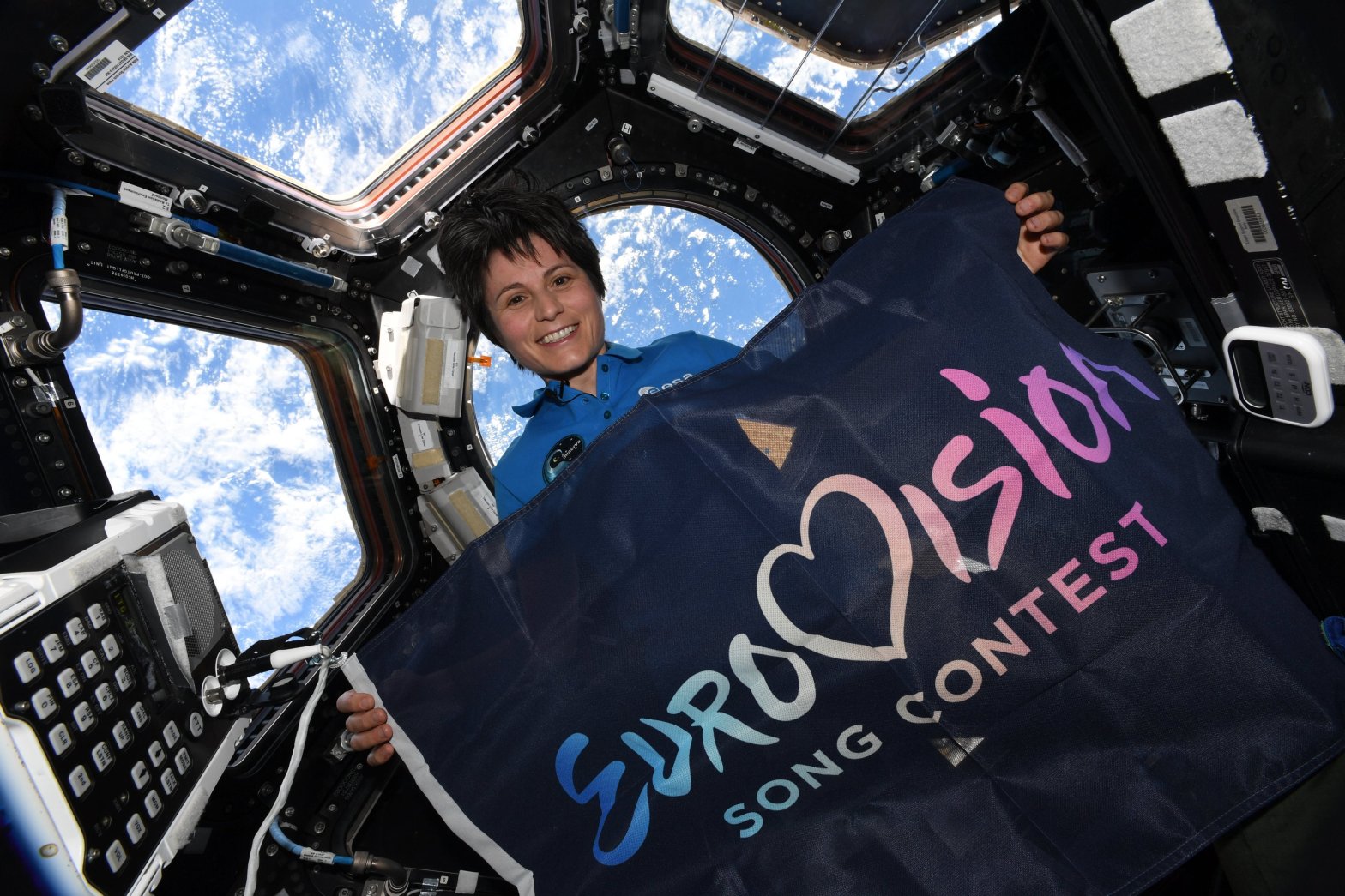
Music and space are very interrelated. Musicians are constantly inspired by cosmic objects, by ventures in space, by the universe as a whole. Through music, engineers, entrerpreneurs, scientists exercise their creativity to solve problems, set targets and objectives, naming their projects. Even astronauts are very fond of music, as Samantha Cristoforetti pointed out in a tweet dedicated to the Eurovision 2022 contest: “Music & spaceflight – yes! It sets the mood for launch, motivates us in our space gym, helps us relax in our free time & connects us with our crew mates”.

No better way to celebrate this wonderful interconnection, than by updating the Spacepolitans Playlist! You can find it here, with some new addition, included the last Eurovision song dedicated to space: Space Man by Sam Ryder, the theme of this article.

So, enjoy these great songs and remember the Spacepolitans motto: Space For All, All For Space, music included!


Musica & Spazio – Aggiornamento Alla Playlist dei Cittadini Dello Spazio

Musica per le stelle o musica dalle stelle?

Per gustare al meglio la lettura, si consiglia l’ascolto di Space Man di Sam Ryder

Musica e spazio sono molto legati e interconnessi. I musicisti sono costantemente ispirati dagli oggetti cosmici, dalle avventure nello spazio, dall’universo nel suo insieme. Mentre ingegneri, imprenditori e scienziati dipendono molto dalla musica per esercitare la loro creatività e risolvere problemi, fissare obiettivi, nominare i loro progetti. Anche gli astronauti amano molto la musica, come ha descritto Samantha Cristoforetti in un tweet dedicato all’Eurovision 2022: “La musica e volo spaziale – sì! Crea la giusta atmosfera durante il lancio, ci motiva nella nostra palestra spaziale, ci aiuta a rilassarci nel tempo libero e ci connette con gli altri”.

Come celebrare nel migliore dei modi questa meravigliosa interconnessione, se non aggiornando la Playlist dei Cittadini dello Spazio? La si può trovate qui, con qualche novità, inclusa l’ultima canzone dell’Eurovision dedicata allo spazio: Space Man di Sam Ryder, tema di questo articolo.

Quindi, godiamoci queste fantastiche canzoni e ricordiamoci del motto dei Cittadini dello Spazio: lo Spazio per Tutti, Tutti per lo Spazio, musica inclusa!

Earth Day 2022 – We Need Space

The only way is up

(versione italiana a seguire)

To fully enjoy reading this post, listen to The only way is up by Yazz

Pandemics, wars, climate change, energy crisis, pollution… We are reaching the Earth Carrying Capacity, the maximum number of humans our planet can bear, and we are experiencing the bad effects of this approach. Is there a chance to avoid its painful consequences? Yes, there is, and the only way is up, up into outer space.

Our blog Becoming Spacepolitans was conceived to celebrate the 50th anniversary of Earth Day, with the aim of highlighting the benefits of space for humankind and for life on Earth itself. After having published its most relevant topics both in English and in Italian, its update has been put on standby for a while. It was not intended, it just happened.
Now, after exactly two years, what is happening on spaceship Earth is a clear signal that the blog’s main message, the Spacepolitans Manifesto, is increasingly important. So let’s reconsider it in the light of the new developments.

The pandemic we are experiencing, the war in Ukraine (like all other wars) for economic reasons, the climate change linked to the concentration of carbon in the atmosphere, the increasing chemical and plastic pollution of the natural environment, the scarcity of energy and raw materials: all these events are a clear sign that our planet is beginning to struggle to support human civilization as it is today. Many scientific studies have been commissioned to understand and quantify these limits. The United Nations collected many of them some year ago, to figure out what could have been the maximum number of humans sustainable by our planet, the so-called Earth Carrying Capacity. The majority of those studies agreed that this limit is around 8 billion, number that, at the current growth rate, will be reached by the end of 2022.
Another significant indicator in this regard is the so-called Overshoot Day, the “date when humanity’s demand for ecological resources and services in a given year exceeds what Earth can regenerate in that year”. Guess what? The Overshoot Day in 2021 was the 29th of July, with worse results only in 2018 and 2019 (25th and 26th of July respectively). It was the 30th of December in 1970.

Simply put, the Earth is limited, both in terms of resources and of habitable space; hence it cannot sustain human growth forever. We are already approaching dangerously and inexorably the catastrophic turning point of its maximum capacity. To avoid it, we would need Earth to have infinite capacity, and this of course is not the case. So, are we doomed to reach painfully a forced limit in our population growth and wealth?

Threatening question, hopeful answer: there is a very promising way that could take us out of this dramatic situation, the one that points to outer space!

In the last sixty years, we have learned many of the potential benefits that space can unlock for us: unlimited energy, uncountable raw materials, and boundless places to settle… (Have a look at Space4Earth section of this blog to find some examples). However, although we have already started using space and its resources, the technologies needed to do so on a larger scale are still not sufficiently developed and, in some cases, not even invented. It will take a certain amount of time to acquire the knowledge and the tools to realize fully the human expansion into the solar system, relieving the Earth from the burden human civilization and bringing the planet back to its most natural state of cradle of life. How much time?
As the great visionary Gerard K. O’Neill wrote about in his masterpiece, The High Frontier (1976): “The «when» is not science but a complicated, unpredictable, interplay of current events, politics, individual personalities, technology and chance”. Therefore, it could take years, or even decades to see a productive human expansion into our solar system and to overcome the current technological limits.

To allow these great advances to take place, we must slow down the ongoing countdown; we must give “more time to space”. The current human footprint on the planet must become more sustainable, tolerable and less affecting the natural environment. The Overshoot Day must be moved towards the end of the year to increase the Earth Carrying Capacity.
Easily said than done!
Fortunately, we do not have to start from scratch. Globally, the UN program known as Sustainable Development Goals, or SDGs, is already paving the way for a more sustainable civilization. However, to work as intended, the SDGs need a stable geopolitical situation, an effective international cooperation and a strong desire for change, mainly at local level, to implement all the recommendations and drive the over 160 SDGs’ indicators.

Although space is a great ally in pursuing these objectives (See the main page of Space4Earth section), the SDGs program risks to remain on paper, unless we change our attitude towards travel, goods, comfort and all our energy-material consuming activities. There are plenty of little steps that everyone can undertake every day. If you don’t know where to start, initiatives like Earth Day provide many in-sights and practical actions, it is just a matter of finding the time and the will to adopt and adapt them yo your everyday life.

So what are you waiting for? Let’s take the first actions to slow down the countdown, let’s give “more time to space” and allow ourselves to become Spacepolitans!


Giornata della Terra 2022 – Abbiamo Bisogno Di Spazio

L’unica via di uscita è verso l’alto

Per gustare al meglio la lettura, si consiglia l’ascolto di The only way is up di Yazz

Pandemie, guerre, cambiamenti climatici, crisi energetica, inquinamento… Stiamo raggiungendo la massima capacità della Terra di supportare la popolazione umana (Earth Carrying Capacity) e stiamo sperimentando gli effetti di questo avvicinamento. C’è una possibilità di evitare queste conseguenze catastrofiche? Sì, esiste, e l’unica via di uscita è verso l’alto, sù nello spazio.

Il blog Becoming Spacepolitans è stato pubblicato per celebrare il 50° anniversario della Giornata della Terra (Earth Day), con l’obiettivo di evidenziare i benefici dello spazio per l’umanità e per la vita sulla Terra stessa. Dopo aver pubblicato gli argomenti più importanti sia in inglese che in italiano, il suo aggiornamento è stato sospeso per qualche tempo. Non era previsto, è semplicemente successo.
Ora, dopo due anni esatti, ciò che sta accadendo sull’astronave Terra è un chiaro segnale che il messaggio principale del blog, il Manifesto dei Cittadini dello Spazio, è sempre più importante. Quindi riconsideriamolo alla luce dei recenti sviluppi avvenuti sul pianeta.

La pandemia che stiamo ancora vivendo, la guerra in Ucraina (come tutte le altre guerre) per motivi economici, il cambiamento climatico legato alla concentrazione di anidride carbonica nell’atmosfera, il crescente inquinamento chimico e da plastica dell’ambiente naturale, la scarsità di energia e materie prime: tutti questi eventi sono un chiaro segno che il nostro pianeta sta cominciando a lottare per sostenere la civiltà umana, per come è oggi. Molti studi scientifici sono stati realizzati per comprendere e quantificare questi limiti. Le Nazioni Unite ne hanno raccolto un gran numero qualche anno fa, per capire quale potesse essere il numero massimo di esseri umani sostenibile dal nostro pianeta, la cosiddetta Earth Carrying Capacity. La maggior parte di questi studi ha convenuto che questo limite è di circa 8 miliardi, numero che, all’attuale tasso di crescita, sarà raggiunto entro la fine del 2022.
Un altro indicatore significativo a questo proposito è il cosiddetto Overshoot Day, la “data in cui la domanda dell’umanità di risorse e servizi ecologici in un dato anno supera ciò che la Terra può rigenerare in quell’anno”. Indovinate un po? L’Overshoot Day nel 2021 è stato il 29 luglio, con risultati peggiori solo nel 2018 e nel 2019 (rispettivamente 25 e 26 luglio). Era il 30 dicembre nel 1970.

In poche parole, la Terra è limitata, sia nelle risorse che nello spazio abitabile; quindi non può sostenere per sempre la crescita umana. Ci stiamo già avvicinando pericolosamente e inesorabilmente alla svolta catastrofica della sua massima capacità. Per evitarlo, avremmo bisogno di una Terra infinita che ovviamente non è disponibile. Quindi, siamo condannati a raggiungere dolorosamente un limite forzato nella crescita e nella ricchezza della nostra popolazione?

Domanda minacciosa, risposta speranzosa: c’è una strada molto promettente che potrebbe portarci fuori da questa situazione drammatica, quella che punta verso lo spazio!

Negli ultimi sessant’anni, abbiamo imparato quali possono essere molti dei potenziali benefici che lo spazio può darci: energia infinita, incalcolabili quantità di materie prime e posti illimitati in cui stabilirsi… (la sezione Space4Earth del blog è piena di esempi). Tuttavia, anche se abbiamo già iniziato a utilizzare lo spazio e le sue risorse, le tecnologie necessarie per farlo su larga scala non sono ancora sufficientemente sviluppate e in alcuni casi nemmeno inventate. Ci vorrà un certo tempo per avere le conoscenze e gli strumenti per vedere finalmente l’espansione umana nel sistema solare, sollevando la Terra dal peso della civiltà umana e riportando finalmente il pianeta al suo stato più naturale di culla della vita. Ma quanto tempo?
Come scriveva il grande visionario Gerard K. O’Neill nel suo capolavoro Colonie Umane Nello Spazio (The High Frontier, 1976): “Il «quando» non è scienza ma un complicato, imprevedibile, gioco di attualità, politica, personalità, tecnologia e caso”. Pertanto, potrebbero volerci anni, o addirittura decenni, per vedere un’espansione umana produttiva nel nostro sistema solare e per superare gli attuali limiti tecnologici.

Per permettere che questi grandi progressi avvengano, dobbiamo rallentare il conto alla rovescia in corso; dobbiamo dare “più tempo allo spazio”. L’attuale impronta umana sul pianeta deve diventare più sostenibile, tollerabile e meno impattante sull’ambiente naturale. L’Overshoot Day deve essere spostato verso la fine dell’anno, al fine di aumentare la capacità della Terra di sostenerci.

Facile a dirsi, non tanto a farsi.

Fortunatamente, non dobbiamo cominciare da zero. A livello globale, il programma delle Nazioni Unite noto come Obiettivi di Sviluppo Sostenibile, o SDG (Sustainable Development Goals) sta già disegnando la strada per una civiltà più sostenibile. Tuttavia, per funzionare come previsto, gli SDG necessitano di una situazione geopolitica stabile, di un’efficace collaborazione internazionale e di una forte volontà di cambiamento, principalmente a livello locale, al fine di attuare tutte le raccomandazioni e guidare gli oltre 160 indicatori degli SDG.
Anche se lo spazio è un grande alleato nel perseguire tutti questi obiettivi (vedi la pagina principale della sezione Space4Earth), il programma SDGs rischia di rimanere sulla carta, se non cambiamo personalmente il nostro atteggiamento verso viaggi, prodotti, comfort e tutte quelle attività che prevedono consumo di energia e di materiale. Ci sono tanti piccoli passi che tutti possono intraprendere ogni giorno. Per cominciare, iniziative come la Giornata della Terra stessa forniscono molti spunti e azioni pratiche, si tratta solo di trovare il tempo e la volontà per adottarli e adattarli nella tua vita di tutti i giorni.

Allora, cosa aspettiamo? Facciamo le prime azioni per rallentare il conto alla rovescia, diamo “più tempo allo spazio” e permettiamo a noi stessi di diventare Cittadini dello Spazio!
Earth from Space – Christmas Blog Update

Great Gift From Space to The Earth!

To fully enjoy reading this post, listen to Jewel In The Night by Chris Hadfield

So it’s Christmas time once again. While we are waiting for… James Webb Space Telescope to be launched in space, did you ever asked what is one of the biggest gift from space to our beloved Earth? Well, no doubt, it is the chance to look at the different phenomena happening on the planet from the outside. Space is providing a unique observation point, allowing to observe and measure an incredible variety of parameters, very helpful to identify the anomalies that are occurring on the planet, as well as measure their effects and their extent, in order to finally be able to elaborate possible recovery plans.

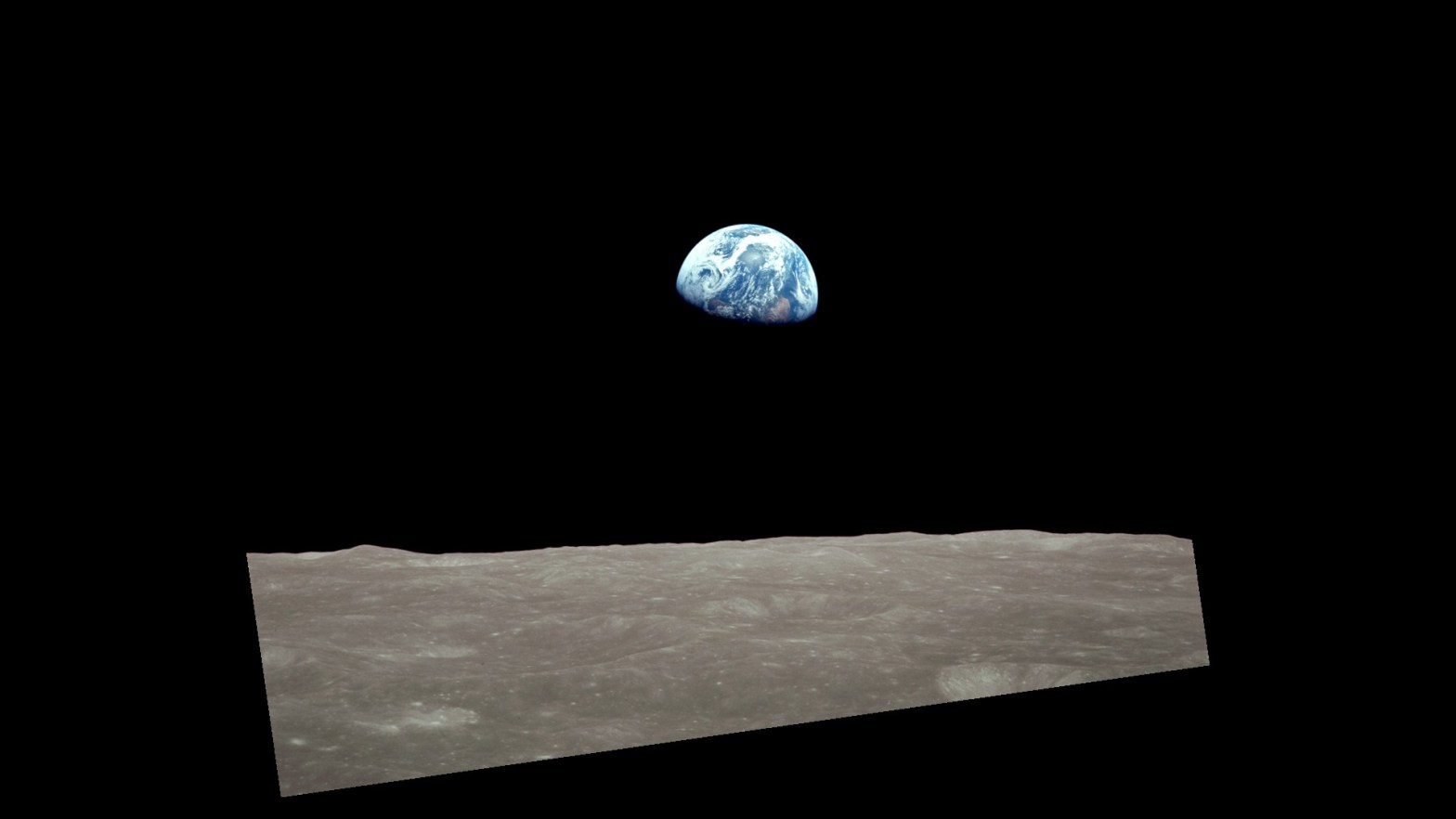
And what about the post picture? The title is Earthrise and it was taken exactly 53 years ago, on the 24th of December 1968 by William Anders during Apollo 8 mission around the Moon, one of the earliest observation of the Earth from space! It seems that the view of this picture led the ecological movement to raise… What a gift!

So, let’s celebrate Christmas with the awesome gift that space gives every day to the Earth by reading the newly updated “Earth from Space” page of Becoming Spacepolitans blog, Italian version included (“La Terra Dallo Spazio“). I highly reccomend also to listen to the special Season Greetings song linked at the beginning of this post (look a the video too, so… Christmas Time!).

Merry Christmas, budding Spacepolitans!!!

Humans in Space – Blog Update

Happy Human Presence Anniversary, ISS!

To fully enjoy reading this post, listen to I.S.S. (Is Somebody Singing) by Chris Hadfield

Twenty-one years ago, on the 2nd of November 2000, the International Space Station (ISS) opened its door to the first astronauts of the Expedition-1 mission. Not a day has passed since then without at least one human being in orbit, reaching the record for human presence in space of fourteen people simultaneously on September 16, 2021 (seven on the ISS itself, four on the Inspiration4 Crew Dragon, three on the Tiangong-3 station).

For more then ten years, the ISS has been the only crewed outpost until the launch of the Chinese Tiangong-1 station in 2011. Currently, there are two space stations orbiting the Earth, the ISS itself and the Tiangong-3 station, and by the end of this decade there could be five human outposts in space, Lunar Gateway included.

So, let’s celebrate this incredible anniversary, the great achievements of human presence in space and the amazing future developments by reading the newly updated “Humans in Space” page of Becoming Spacepolitans blog, Italian version included (“Vivere nello Spazio”), and by shouting the Spacepolitans motto: Space for All, All for Space!

The Overview Effect – Blog Update

Probably the most enlightening human experience

To fully enjoy reading this post, listen to The Overview Effect by Hellhaven .

Space is a great vantage point to observe our planet and provide services that are supporting and improving our lives and the health of the environment, as already shared in Space for Earth and Observing the Earth from Space pages.
However, there is another aspect linked to this vision, something less technical and more emotional. It is something that the view of the Earth in space is changing in every person, a cognitive shift of the perception of the planet and of the self, the so called Overview Effect.

We have just had two clear examples of this, amplified by the fact that the one who experienced it was not a long trained and professional astronaut, but mere civilians. I obviously refer to Inspiration4 mission and the flight in space of William Shatner, the beloved Captain Kirk of Star Trek.

In the new updated page about the Overview Effect you can find more details, the page is now also in Italian.
So, what are you waiting for? Have an enlightening reading!

Space For All, All For Space!

Space, the Biggest Influencer

An inexhaustible source of inspiration for humanity

(versione italiana)

To fully enjoy reading this post, listen to I Could Go On by Foxanne

Space influences us: from the alternating of night and day to the development of the most advanced technologies. Could you find another influencer with eight billion followers?

We all live in space. We all live in space aboard a unique natural starship called Planet Earth. This starship travels tied to a star called Sun. This star travels around a supermassive black hole, called Sagittarius A, located in the centre of a galaxy known as Milky Way. And so on. Thus, we can agree without doubts that we all live in space and space is ultimately the environment we find ourselves in. This is why space has such a huge influence on us, being an inexhaustible source of inspiration since the beginning of time.

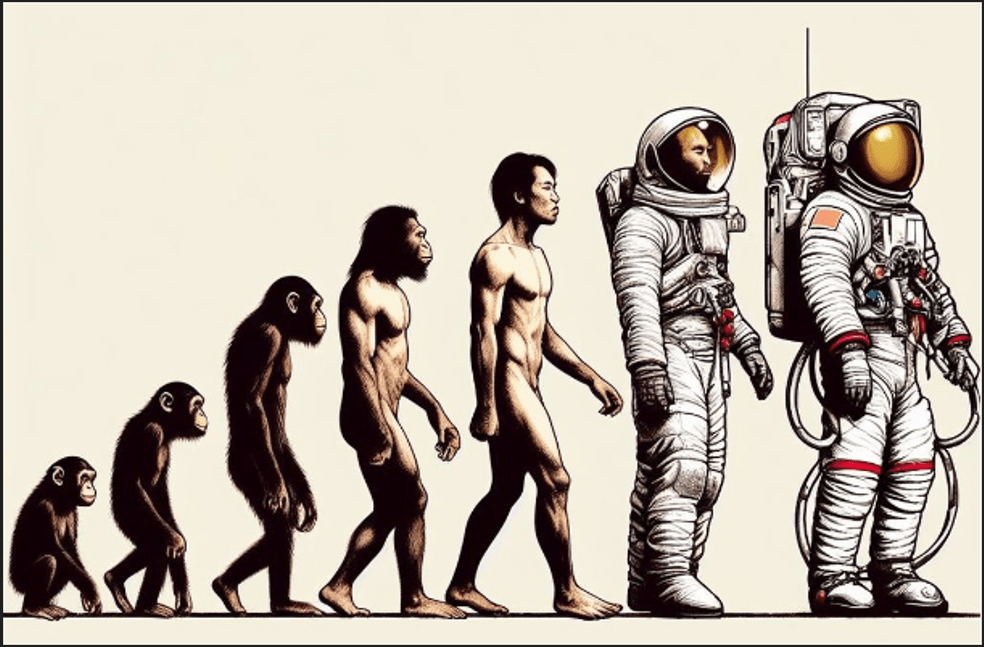
A recent research found that one of the first traces of this influence has directly impacted our evolution path. More than two million years ago, a supernova exploded a hundred and sixty light years from Earth and this event may have been a major cause of the development of bipedalism in our ancestors. Romantically, we could imagine that the hominids were fascinated by its awesome light and that they began to stand erect to observe it better. Alas, regardless of its poetical charm, this is not the scientific truth emerged from that research. Instead, the study reveals that the huge cosmic energy of the supernova caused a strong ionization of the Earth’s atmosphere, which in turn triggered a chain of events that transformed the forests of East Africa into a savannah. Thus, our progenitors were forced to descend from the trees and walk upright, looking for predators to avoid being eaten. A less poetic cause, but surely very effective.

Nowadays, space continues to have a physical influence on humans, further increased by the conquest of Low Earth Orbit (LEO), the best place to access the condition of microgravity. This is why the most expensive and complex scientific laboratory was built in LEO: the International Space Station (ISS). It is constantly operated to support thousands of scientific experiments, aiming to improve our life on Earth and enable our expansion in the Solar System. In the future this effect will only increase, as we expand human operations in orbit, on the Moon and beyond.

Moving on to a more intellectual level, it is truly impressive how space has been such an inspiration to humanity. I realized its extent of this fact very recently, thanks to the presentation devised by my son as his eighth grade exam. His teachers asked him to elaborate on the relationship between Man and the Universe through six different topics: History (Gagarin and the space race), Music (2001: A Space Odyssey soundtrack), Art (Mirò’s Constellations), French Literature (Le Petit Prince), Religion (theocentrism and anthropocentrism) and Technology (space technology transfer). It was fascinating to realize how much space affected humanity over the centuries and across the entire spectrum of human activities (by the way, this work on space earned him full marks! A very positive influence!).

The next inspirational level? We have just witnessed it! For the first time, four ordinary people travelling in space on a SpaceX Crew Dragon for three days. Called Inspiration4, this mission was entirely founded by Jared Isaacman, the crew commander. It was not the whim of an eccentric rich man, as many have argued on social media. The intents were multiple:

  • Support SpaceX vision to make humans a multi-planetary species;
  • Run new biomedical experiments designed to advance human health on Earth and during future long-duration spaceflights;
  • Raise two hundred million dollars for St. Jude Children’s Research Hospital to push the overall childhood cancer survival rate;
  • Open a new chapter of human spaceflight and the path for future civilian (scientists included!) commercial missions;
  • Experience the Overview Effect (see the dedicated page on this blog for additional details) through ordinary peoples’ eyes;
  • Fly to an altitude higher than the ISS and Hubble telescope, going a step beyond the current human presence in space (only Apollo astronauts went beyond that);
  • Finally, inspire the world and above all the younger generations to “dare mighty things”, especially in space!

Thus, whether for its physical influence or for its intellectual inspiration, space constantly challenges humanity to improve, to set new limits and overcome difficulties. To succeed we need to increase our awareness of the importance of space for our survival as a species and for the restoration of Planet Earth (see Spacepolitans Manifesto for more insights). Then, we need to face our responsibilities as intelligent and self-aware species and finally act accordingly.

So, let’s start getting inspired with the inspirational Spacepolitans motto: Space for All, All for Space!


Spazio, Il Vero Re Degli Influencer

Una inesauribile fonte di ispirazione per il genere umano

Per gustare al meglio la lettura, si consiglia l’ascolto di I Could Go On di Foxanne.

Lo spazio ci influenza costantemente: dall’alternarsi del giorno e della notte allo sviluppo delle tecnologie più avanzate. Quale altro influencer può vantare ben otto miliardi di follower?

Viviamo tutti nello spazio. Viviamo tutti nello spazio a bordo di un’astronave naturale unica, chiamata Pianeta Terra. Questa astronave viaggia legata ad una stella, chiamata Sole. A sua volta, questa stella viaggia attorno a un buco nero super-massiccio, chiamato Sagittarius A, situato al centro di una galassia nota come Via Lattea. E così via. Possiamo quindi essere d’accordo senza dubbio che tutti noi viviamo nello spazio e lo spazio è l’ambiente complessivo in cui ci troviamo. Ecco perché lo spazio ha un’influenza così grande su di noi: una fonte inesauribile di ispirazione dall’inizio dei tempi.

Una recente ricerca ha scoperto che una delle prime tracce di questa influenza avrebbe apportato un impatto diretto sul nostro percorso evolutivo, innescando lo sviluppo del bipedismo nei nostri antenati. Lo studio ha evidenziato come l’esplosione di una supernova avvenuta più di due milioni di anni fa, a una distanza di circa centosessanta anni luce dalla Terra, abbia potuto essere la causa di tale cambiamento radicale. Romanticamente, potremmo immaginare che gli ominidi siano rimasti affascinati dalla sua luce straordinaria e che abbiano cominciato a stare in piedi per osservarla meglio. Ahimè, a prescindere dal suo fascino poetico, non è questa la verità scientifica emersa da quella ricerca. Lo studio ha rivelato infatti che l’enorme energia cosmica rilasciata dalla supernova fu la causa di una forte ionizzazione dell’atmosfera terrestre, che a sua volta innescò una catena di eventi tali da trasformare le foreste dell’Africa Orientale, casa dei nostri antenati, in una estesa savana. Fu così che i nostri progenitori furono costretti a scendere dagli alberi e a camminare eretti, alla continua ricerca dei loro predatori per evitare di essere mangiati, dal momento che gli alberi su cui si rifugiavano erano pressoché spariti. Una causa sicuramente meno poetica, ma decisamente molto più efficace per iniziare una tale trasformazione!

Al giorno d’oggi, lo spazio continua ovviamente ad avere un’influenza fisica sugli esseri umani, aumentata ulteriormente dalla conquista dell’orbita bassa terrestre, il luogo migliore dove accedere alla condizione di microgravità. E’ proprio per questo motivo che in orbita bassa è stato costruito il laboratorio scientifico più costoso e complesso: la Stazione Spaziale Internazionale (ISS). Sulla stazione sono stati effettuati e sono ancora in corso migliaia di esperimenti, con l’obiettivo di migliorare la nostra vita sulla Terra e consentire la nostra espansione nel Sistema Solare. In futuro l’influenza fisica dello spazio potrà solo che intensificarsi, man mano che aumenteranno le nostre attività in orbita, sulla Luna e oltre.

Passando a un livello di influenza più intellettuale, è davvero impressionante come lo spazio sia stato di una tale ispirazione per l’umanità. Mi sono reso conto della portata di questo fatto molto di recente, grazie alla presentazione ideata da mio figlio come esame di terza media. I suoi insegnanti gli hanno chiesto di approfondire il rapporto tra l’Uomo e l’Universo attraverso sei diversi argomenti: Storia (Gagarin e la corsa allo spazio), Musica (Colonna sonora 2001: Odissea nello spazio), Arte (Le costellazioni di Mirò), Letteratura francese (Le Petit Prince), Religione (teocentrismo e antropocentrismo) e Tecnologia (trasferimento di tecnologie spaziali). È affascinante rendersi conto di come lo spazio ci abbia costantemente influenzato soprattutto a livello intellettuale nel corso dei secoli e attraverso tutto lo spettro delle attività umane (a proposito, questo lavoro sullo spazio è valso il massimo dei voti all’esame: un’influenza molto positiva!).

Il prossimo livello di ispirazione? L’abbiamo appena vissuto! Per la prima volta, quattro persone normali, non professionisti dello spazio, hanno viaggiano su una navicella Crew Dragon della SpaceX rimanendo per tre giorni nell’orbita terrestre, tornando sani e salvi. Inspiration4 (questo il nome della missione) è stata interamente finanziata da Jared Isaacman, il comandante dell’equipaggio. Ma non è stato un suo capriccio da ricco eccentrico, come molti hanno sostenuto sui social. Gli intenti sono stati invece molteplici:

  • Supportare la visione di SpaceX per rendere gli esseri umani una specie multi-planetaria;
  • Eseguire nuovi esperimenti biomedici progettati per far progredire la salute umana sulla Terra e durante futuri voli spaziali di lunga durata;
  • Raccogliere duecento milioni di dollari per il St. Jude Children’s Research Hospital per aumentare il tasso di sopravvivenza globale del cancro infantile;
  • Aprire un nuovo capitolo del volo spaziale umano e segnare il percorso per future missioni commerciali civili (scienziati inclusi!);
  • Sperimentare l’Effetto Visione d’Insieme o Effetto Overview (vedi la pagina dedicata su questo blog per ulteriori dettagli) attraverso gli occhi di persone comuni;
  • Volare ad un’altitudine superiore alla ISS e al telescopio Hubble, andando un passo oltre l’attuale presenza umana nello spazio (solo gli astronauti dell’Apollo sono andati oltre);
  • Infine, ispirare il mondo e soprattutto le nuove generazioni a “osare cose potenti” (“dare mighty things”, come scritto dalla NASA sul paracadute del rover Perseverance), specialmente nello spazio!

E così, sia per la sua influenza fisica che per la sua ispirazione intellettuale, lo spazio sfida costantemente l’umanità a migliorarsi, a fissare nuovi limiti e a superare le difficoltà. Per superare con successo tali sfide, dobbiamo però aumentare la consapevolezza di quanto lo spazio sia fondamentale per la nostra sopravvivenza come specie e per il ripristino del nostro pianeta (vedi Manifesto dei Cittadini dello Spazio per maggiori approfondimenti). Con questo in mente, dobbiamo poi affrontare le nostre responsabilità di specie intelligente e auto-consapevole e agire di conseguenza.

Quindi, iniziamo a ispirarci con il motto ispiratore dei Cittadini dello Spazio: Tutti per lo Spazio, lo Spazio per Tutti!