BS Tales: Chapter 2 Begins with “A Voice From a Million Years”!

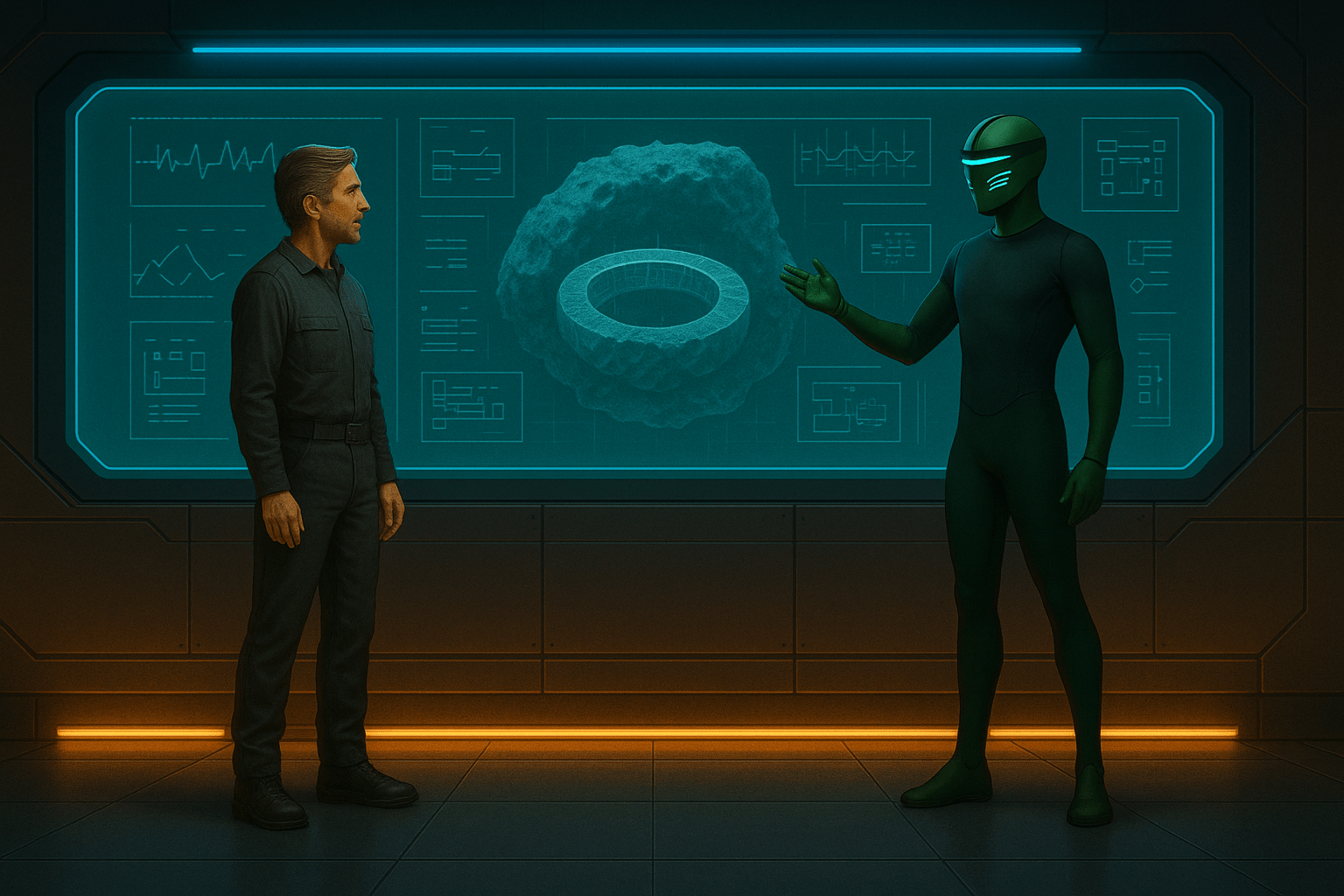
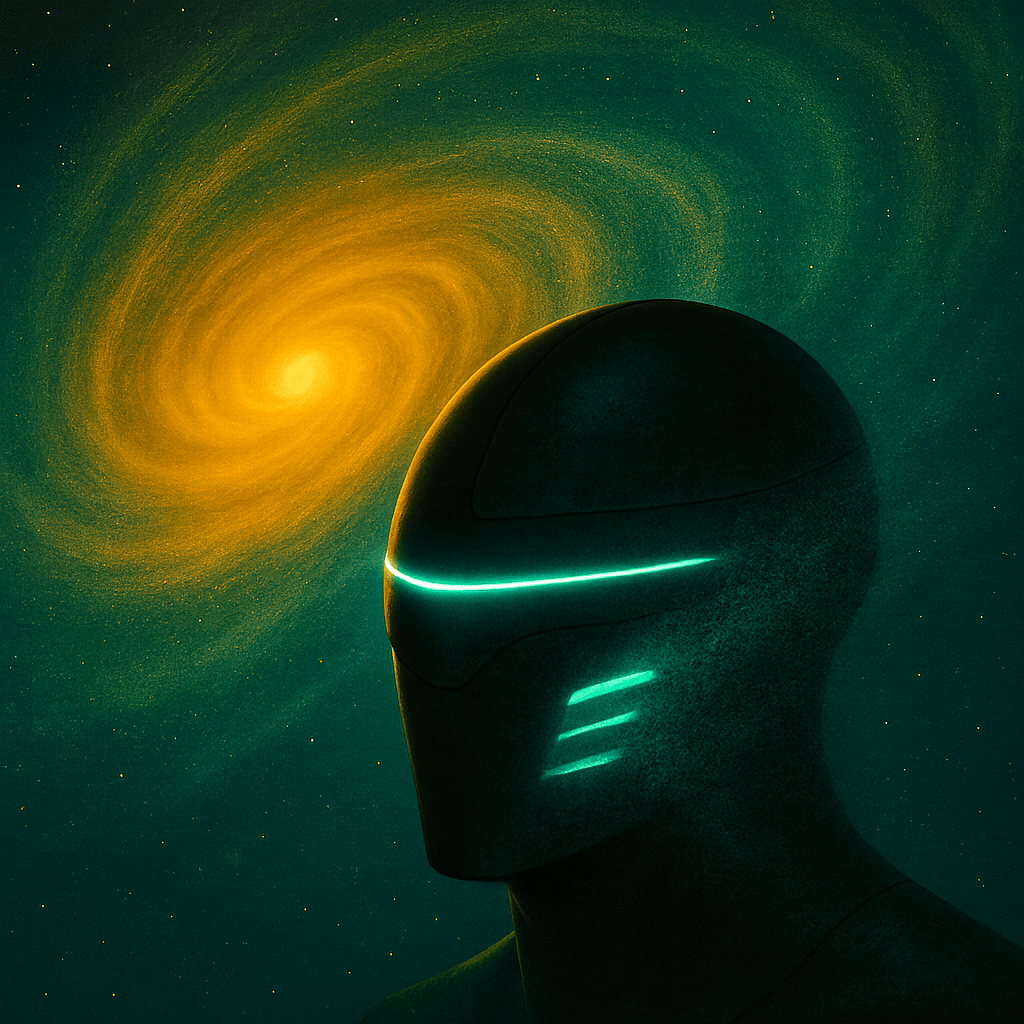
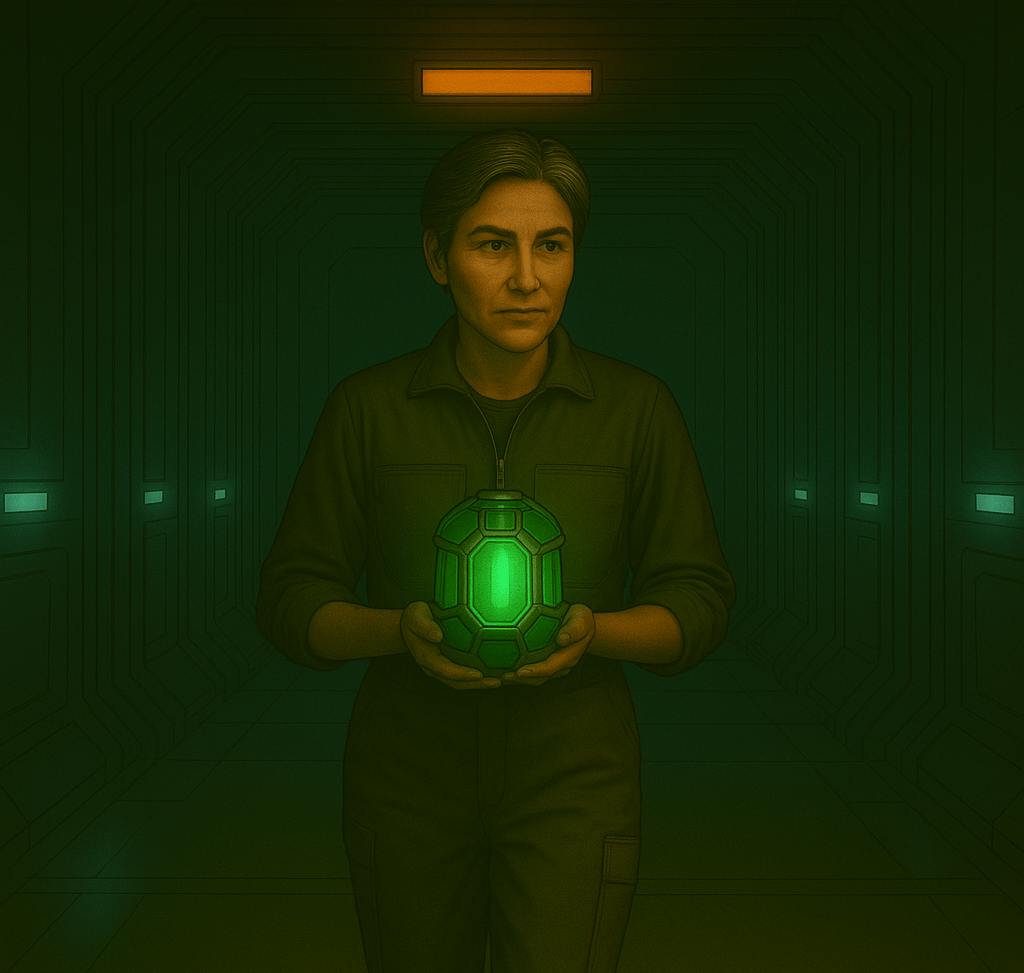
A Voice From a Million Years. Credits: created with Assistance from OpenAI’s DALL·E

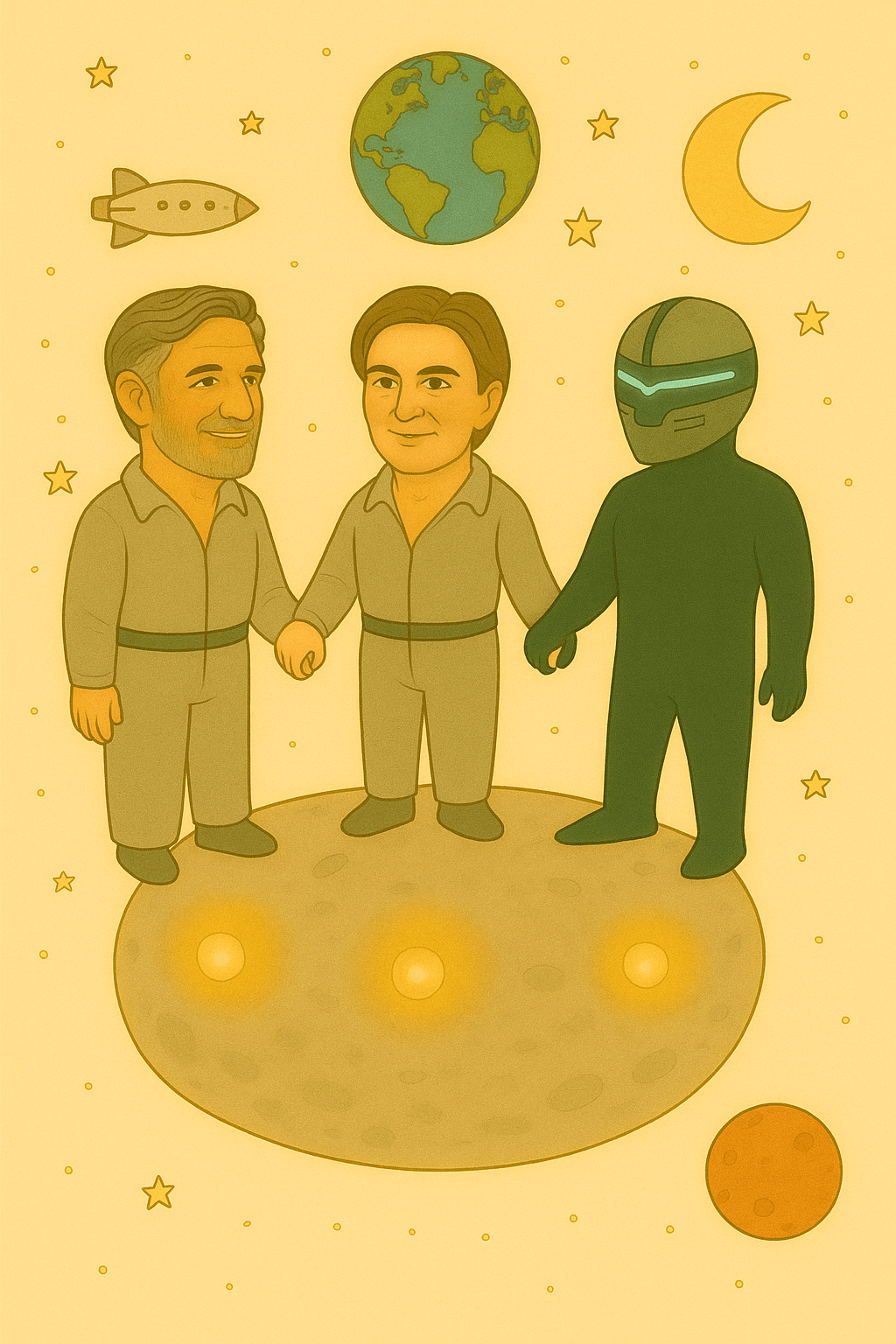
A voice with its own gravity. A hand warm with illusion. Between awe and doubt, the first contact begins.

Listen to Bring Us Together by The Asteroid Galaxy Tour to enjoy reading this post.

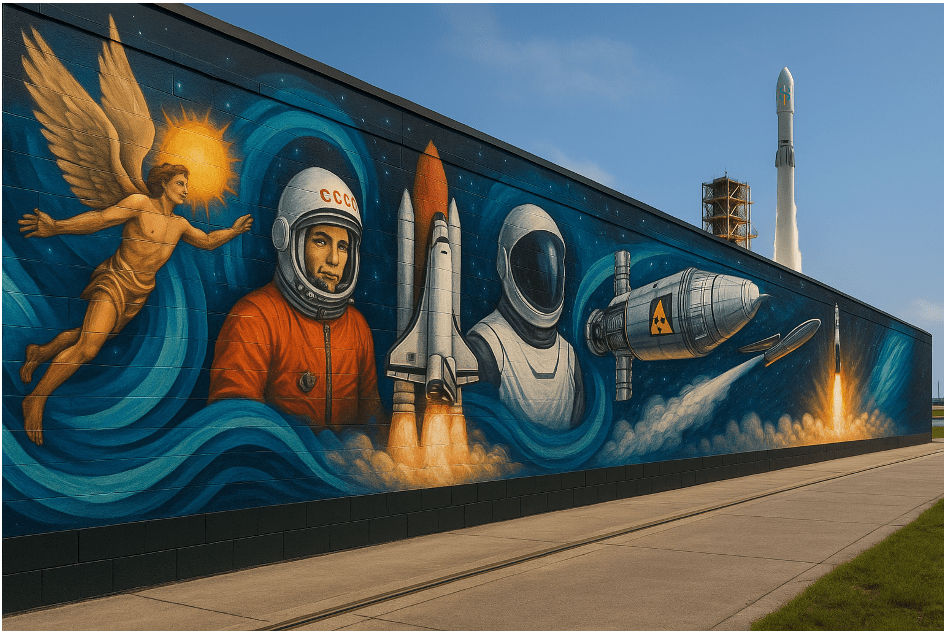
Humanoid robots in space are not just science fiction dreams; they are already shaping our vision of living and working beyond Earth. From mechanical arms on space stations to walking prototypes tested for planetary exploration, the image of a human-shaped companion among the stars is both familiar and unsettling.

“A Voice From a Million Years”, the first part of BS Tales Chapter 2, opens by giving the spacepolitan take on this idea. A new kind of humanoid emerges: Hermes, an analog robot whose presence is anything but mechanical.

We were left expecting its arrival at the end of Chapter 1, when Hestia’s voice hinted that the door would soon open. With the entrance of Hermes, a new arc of Becoming Spacepolitans Tales begins. After “The Golden Age” set the stage, Chapter 2, “Bring Us Together”, opens the journey of trust and the unique companionship that will carry three beings between worlds.

Discover what happens when the voice you hear carries the weight of a million years. Read the opening of “Bring Us Together”, the second chapter in the “Hestia Asterobase” tales collection:

Chapter 2 – Bring Us Together – A Voice From a Million Years

So, listen to that ancient whisper: not everything on this rock is lifeless. Some things, buried in stone or psyche, are just waiting to be revealed.

Space for All, all for Space!

BS Tales: The Complete Chapter 1, The Golden Age, is Here!

A welcoming firestarter. Credits: Created with assistance from OpenAI’s DALL·E

TAmber light softens into blue, footsteps meet new ground, and the first true welcome begins. What felt like descent is now arrival.

Listen to The Golden Age by The Asteroid Galaxy Tour to enjoy reading this post.

With the release of its third section, The Golden Age, the first chapter of Hestia Asterobase is now complete. What began as a flight away from Earth has unfolded into arrival, a chapter told in three steps, each one a threshold crossed.

From a drifting shuttle (Part 1) to the curved tunnel of gravity’s return (Part 2), the journey has carried us deeper into 11-Amor. Now, in Part 3, a door opens, and with it, the promise of connection.

A meeting, a gesture, and the spark of something greater than any single traveler. Like “strolling down a shadowed boulevard, with a verdant fire burning through the slats of a wooden crate”, the moment glows with the sense that something new is being kindled.

A Welcoming Firestarter, the third part of Chapter 1 – The Golden Age, is now live!

Complete the first chapter of BS Tales and step into Hestia Asterobase by clicking below:

Chapter 1 – The Golden Age

And remember: not everything on this rock is lifeless. Some things, buried in stone or psyche, are just waiting to be revealed.

Space for All, all for Space!

BS Tales: Part 2 of Chapter 1, The Golden Age, Available!

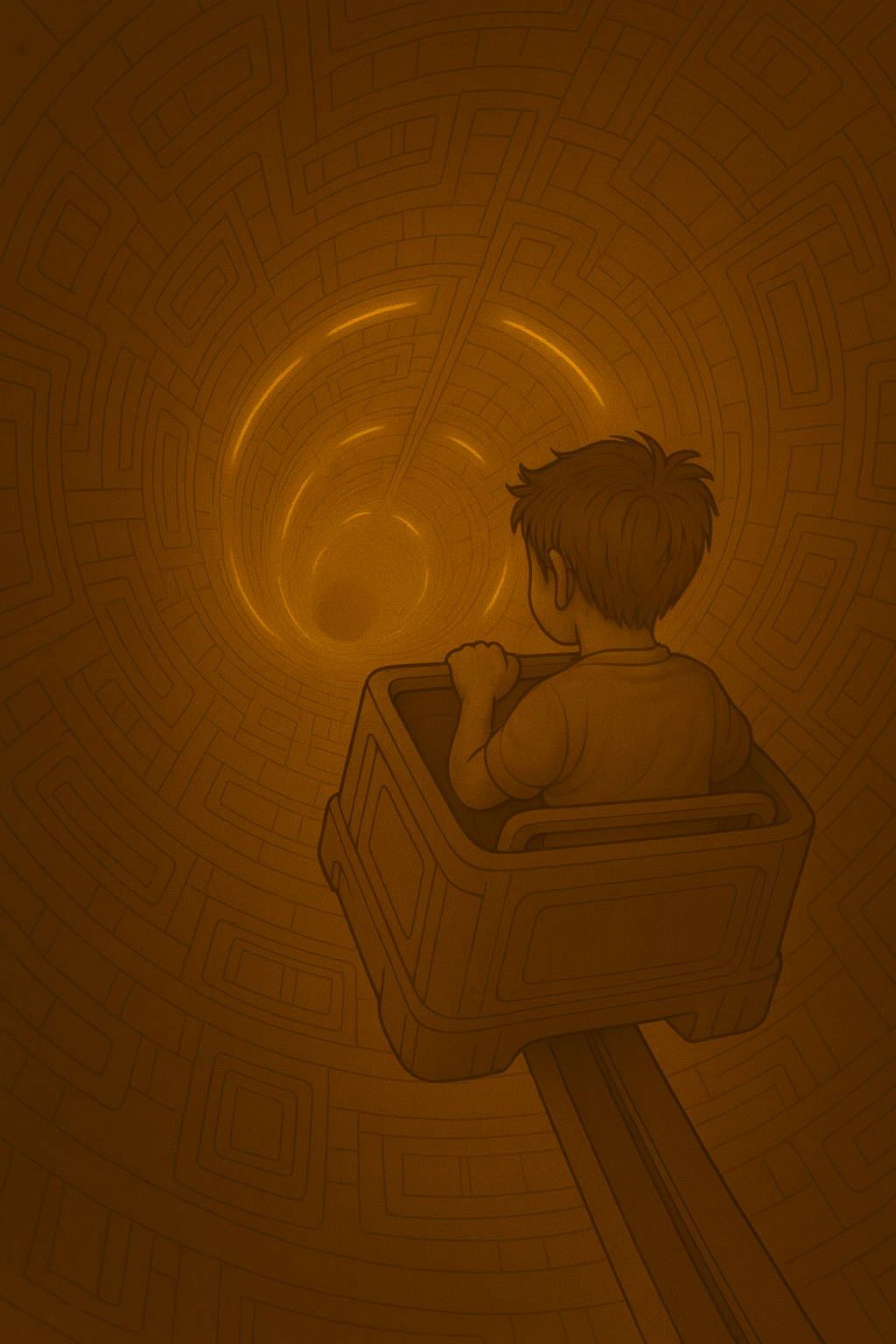
A trip back in time is all I need. Credits: Created with assistance from OpenAI’s DALL·E

Through the corridors of a hollowed asteroid, the path begins to curve. Light shifts, weight changes, and the air carries a promise.

Listen to The Golden Age by The Asteroid Galaxy Tour to enjoy reading this post.

Steps lead further inside 11-Amor, where motion becomes gravity, and gravity becomes something more. The light softens, bending around the curve ahead, as if guiding rather than revealing.

Somewhere in the spin, a childish fear waits to be faced, not named, but felt. It’s like “flying away” from the known world, just as the song says, and finding that the air itself carries a new kind of weight.

Flying away from the known world, the second part of Chapter 1, The Golden Age, is now live!

Land on 11-Amor, and continue (or begin) the journey on this fascinating rotating world by simply clicking on the link below!

Chapter 1 – The Golden Age – Part 1&2

And remember: not everything on this rock is lifeless. Some things, buried in stone or psyche, are just waiting to be revealed.

Space for All, all for Space!

BS Tales: Part 1 of Chapter 1, The Golden Age, is out!

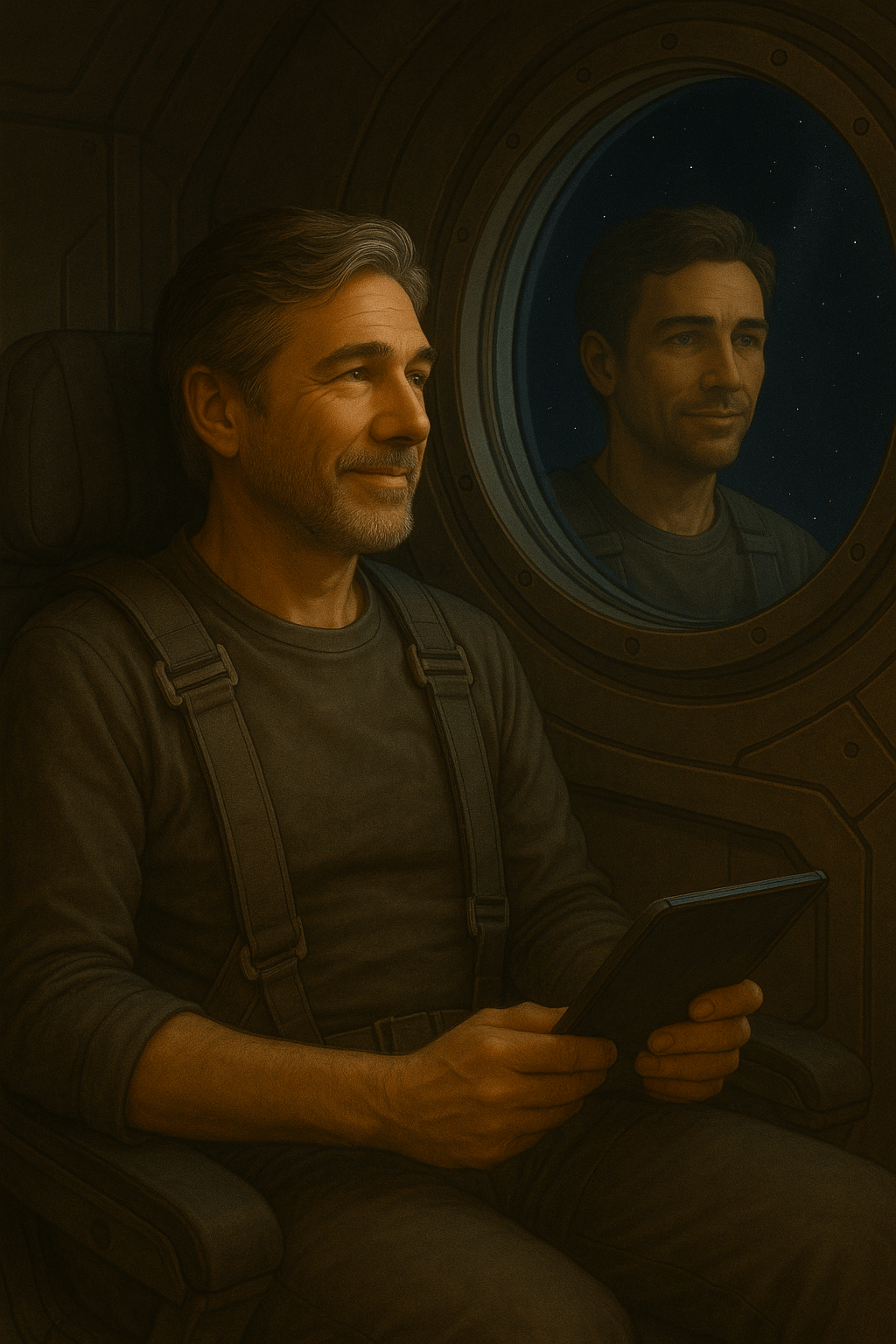
A personal time trip for a smiling face. Credits: Created with assistance from OpenAI’s DALL·E

A flight away from reality, a trip back in time, and a leap into something new: welcome aboard Hestia Asterobase!

Listen to The Golden Age by The Asteroid Galaxy Tour to enjoy reading this post.

A shuttle bound for 11-Amor, a human-engineered asteroid, drifts between stars. Inside, a man holds his assignment to Hestia Asterobase, humanity’s first deep-space habitat carved inside an asteroid

Gravity here is not pulled from mass, but born from motion.

Somewhere between Earth and the waiting rock, “The Golden Age” song surfaces:

A personal “trip back in time”

It’s not nostalgia. It’s not an escape. It’s the promise of something brighter, stranger, and entirely new. In the spin of an engineered world, even standing will feel like a rediscovery.

A Personal Time Trip, the first part of Chapter 1 – The Golden Age, is now live!

Land on 11-Amor, and begin the journey on this fascinating rotating world by simply clicking on the link below!

Chapter 1 – The Golden Age – Part 1

And remember: not everything on this rock is lifeless. Some things, buried in stone or psyche, are just waiting to be revealed.

Space for All, all for Space!

Becoming Spacepolitans Tales: Where Vision Comes to Life

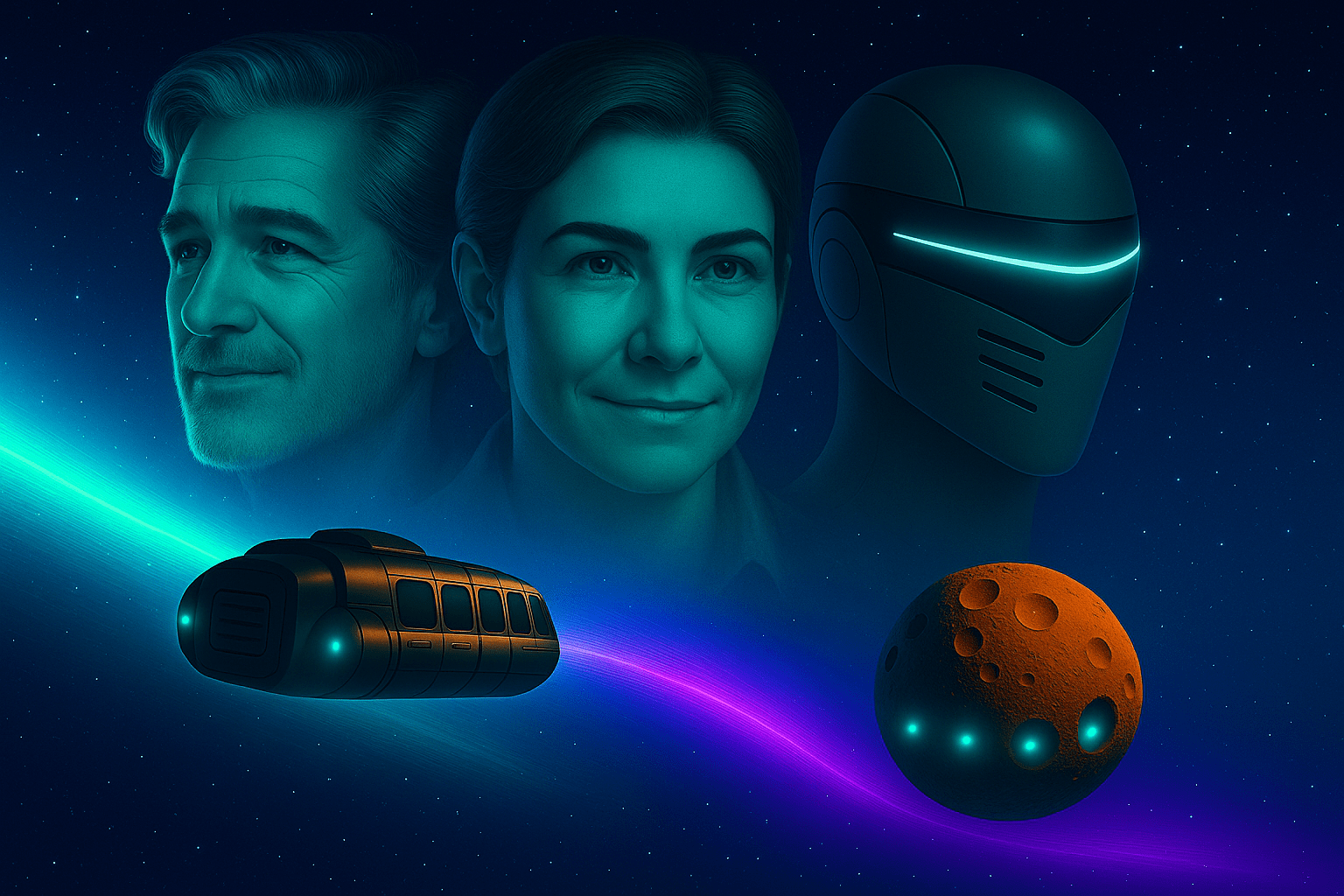
The spark between us. Credits: Image generated with DALL·E by OpenAI

Something new is happening on the blog. Fiction has arrived, not as a break, but as a bridge to the Spacepolitans’ universe.

Listen to The Golden Age by The Asteroid Galaxy Tour to enjoy reading this post.

A new section is available on the blog: Becoming Spacepolitans Tales, a place where the Spacepolitan vision takes form through narrative.

Not imagined futures, but lived ones. Not speculation, but immersion.

These stories unfold in a universe where the dream has already been achieved, where space is no longer a frontier, but home.

Why now?

Because a question has been pulling at us since the beginning: what would life be like if we had truly become Spacepolitans, if empathy, cooperation, and purpose had guided our expansion beyond Earth?

A possible answer began to take shape in the last part of the page “AI and the Space Puzzle”, discussing the intersection of space and artificial intelligence, as well as the possibilities of these two megatrends coming together.

That page depicted a possible future where space acts as a catalyst for a new intelligence, combining the best of organic and artificial minds. And that possibility, quiet at first, started to speak.

A being built not to simulate empathy, but to discover it. A station built beneath a spinning asteroid to confine this new evolution and its related risks. Three presences, one synthetic, two human, sharing the silence between stars.

From that seed, the first collection took shape.

Deep beneath the equator of the fictional asteroid 11-Amor spins Hestia Asterobase, humanity’s first true deep-space habitat. Here, gravity is born from motion, empathy is tested in the void, and a small crew faces the challenges of living beyond Earth, not as visitors, but as true pioneers.

This is where the Spacepolitan Manifesto takes narrative form: space as home, not frontier. Through intimate storytelling grounded in science and symbolism, we explore what it truly means to live, adapt, and evolve away from Earth’s cradle.

Where to begin:

And remember: not everything on this rock is lifeless. Some things, buried in stone or psyche, are just waiting to be revealed.

Space for All, all for Space! Now, in story form.

Space is calling, AI is on the line.

The spark between us. Credits: Image generated with DALL·E by OpenAI

AI is already in space: running spacecraft, analyzing data, and optimizing life support systems. But what if space isn’t just where AI works… but where it evolves?

Listen to No Time for Caution by Hans Zimmer to enjoy reading this post.

Artificial Intelligence is no longer science fiction. From our phones to our homes and industries,  it’s already reshaping how we live. But there’s one domain where AI’s potential becomes not just useful, but critical: space. Out there, decisions can’t wait. Systems must act, adapt, and sometimes… make decisions.

From HAL 9000 to TARS, from Star Trek’s computer to Star Wars’ droids, we’ve long imagined AI alongside astronauts. But those stories did more than entertain; they trained us to expect intelligence in orbit. They hinted at what was coming. And now, it’s here.

Today, intelligent systems are already flying, helping navigate autonomous spacecraft like OSIRIS-REx, guiding robotic explorers such as NASA’s Perseverance rover on Mars, and analyzing Earth from orbit aboard missions like ESA’s Φ-Sat-1. This isn’t just the future arriving. It’s AI stepping in to help solve space’s toughest challenges.

And space isn’t only hosting AI, it could soon be powering it. With solar energy harvested in orbit and data centers operating beyond Earth’s atmosphere, the vacuum of space might become the cleanest, coldest home AI has ever known, offloading Earth’s energy burden and giving the planet a breather from its digital appetite.

But what if AI in space is more than just a tool? What if it’s the missing piece in the puzzle of off-world survival, and maybe even cosmic awareness? From neural links to orbital minds, the questions are growing larger, bolder, and wider.

Ready to connect? Then step beyond the circuitry. Explore the vision, the questions, and the spark that AI might ignite in the new page, AI and the Space Puzzle. The next intelligence may not be ours alone.

Space for A…ll, All for Space!

A Fossil World or a Future Home? A Spacepolitan Vision for Mars

Mars: Fossil World, Future Home, Image generated by AI (DALL·E via ChatGPT, OpenAI), based on concept and guidance from Becoming Spacepolitans.

Mars continues to capture the imagination, not just as a destination, but as a mirror reflecting human ambition, scientific curiosity, and the limits of our readiness. Is it a fossil world to be studied carefully, or a future home to be settled boldly?

Listen to Life on Mars by David Bowie to enjoy reading this post.

***This article is dedicated to Marco, a friend who left this world too early***

The Mysteries on Mars page has just been updated with a new structure, expanded content, and a sharpened Spacepolitan perspective. The red planet is explored from myth to mission, from Schiaparelli’s canals to Ingenuity’s final flight, from early orbiters to the most recent international endeavors. Mars emerges as a planetary time machine, a geological Pompeii preserving potential traces of ancient life beneath its surface.

And with that potential comes a risk.

Human presence on Mars would introduce irreversible biological contamination. Unlike robotic missions, which are meticulously sterilized, astronauts carry entire microbiomes that cannot be separated from them. If Earth life reaches Mars before native life is found or ruled out, it may never be possible to distinguish them.

This concern echoes recent reflections from ESA astronaut Luca Parmitano, who emphasized the current limits of Mars feasibility. Prolonged radiation exposure, the absence of self-sustaining life support systems, and severe physiological risks make the timeline for human missions more uncertain than public discourse often suggests. “The human being is still the weakest element,” he observed, a perspective grounded not in fear, but in technical realism.

The Spacepolitan approach aligns with this view from a planetary ethics viewpoint. It proposes an orbit-first strategy: teleoperated rovers from Martian orbit, research habitats on Phobos and Deimos, and scientific caution until the benefits of human surface presence outweigh the risks.

The red planet is not a blank slate. It is a unique scientific relic, one that may still whisper stories of another kind of life.

Should Mars be a fossil world or a future home? It could be both, but not simultaneously.

Ready for the red landscape? Explore the fully updated page “Mysteries on Mars”, with a soundtrack included and reflection required.

Space for All, All for Space!

Our Chaotic Moon: A Land of Opportunities for All?

Moonrise of a New Era, digital painting generated with the support of AI (ChatGPT TARS + DALL·E)

From headlines to highlands, from crashed landers and budget cuts to basecamps and bold visions: why the Moon is our next step.

Listen to Opportunities (Let’s Make Lots of Money) by Pet Shop Boys to enjoy reading this post.

Following the headlines lately, it feels like the Moon is suddenly back in fashion, not just for poets and dreamers. Crashed landers, delayed missions, billion-dollar budgets, rising rivalries, and even questions about who has the right to dig where. It’s chaotic, it’s political, it’s technological, and above all, it’s human.

For years, Mars was the poster child of our interplanetary ambitions. But while Mars may be the summit, the Moon is the base camp. No seasoned climber would head for Everest without setting up a stable foothold. The same logic applies here. The Moon is not a detour, it’s the way forward.

The page “A Moon of Opportunities” has been restructured. It’s not a history lesson or a travel brochure. It’s a reality check and a roadmap. From Cold War flags to sample returns, from Artemis to Chang’e, from legal loopholes to mining rights, from dust storms to billion-euro projections, this is where it all converges: exploiting its potential and opportunities.

We’re not just going back to the Moon. We’re staying. And that means understanding why it matters, what we need to succeed, and who is willing to leap.

Ready for the moon landing? Explore the fully updated page: A Moon of Opportunities.

Space for All! All for Space!