Asteroids, an almost infinite mine in space

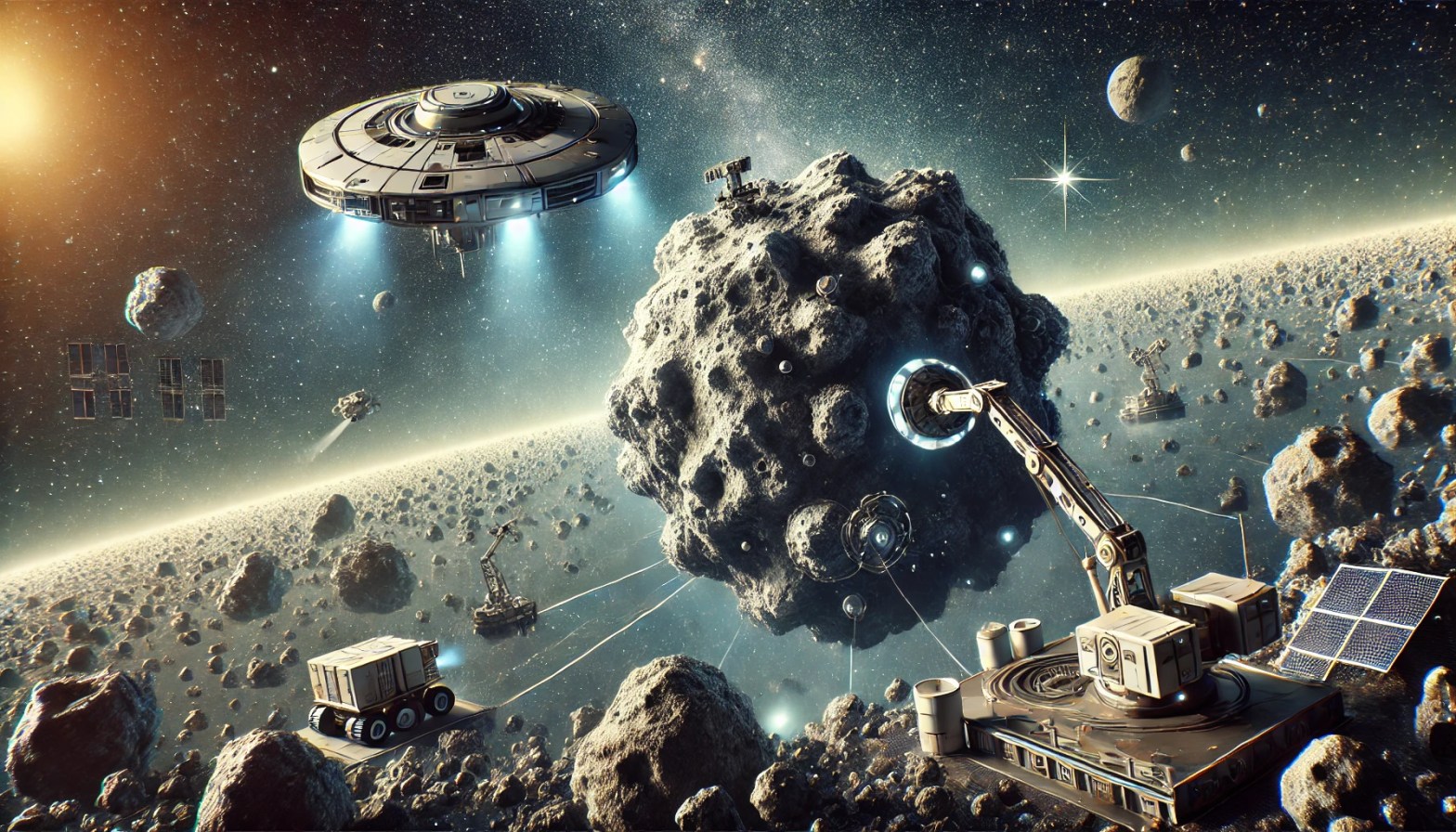
A futuristic, visually clean representation of asteroid mining. Credits: DALL-E 3

Where do we find the resources to expand in space? Already there!

Listen to Asteroid by Killing Joke to enjoy reading this post fully.

There are many out there. Some are closer, some are farther, but they are an almost infinite number. They are made of different materials and have various shapes and dimensions.

Asteroids could provide the resources we need for human expansion in space and to change the paradigm of the economy of scarcity that affects the world. However, they could also be inconvenient neighbors, like experimented by the dinosaurs.

The updated Asteroids: Cross and Delight page overviews history, scientific information, and a rough list of the missions exploring asteroids. It also includes some hints about asteroid mining and what to do with the extracted resources.

Did I arouse your curiosity? So, jump to the page and have a look!

What’s the next Becoming Spacepolitans section to be updated? Space technology transfer is one of space exploration’s most important and unknown benefits. It deserves a full page on the blog, which now needs a full update since new space technologies are applied to our lives daily!

Keep an eye out here or subscribe to my blog notification at the bottom of the home page to be informed about the high-tech publication.

Space for All, All for Space!
Colonizing space, one of the most ambitious programs for humanity

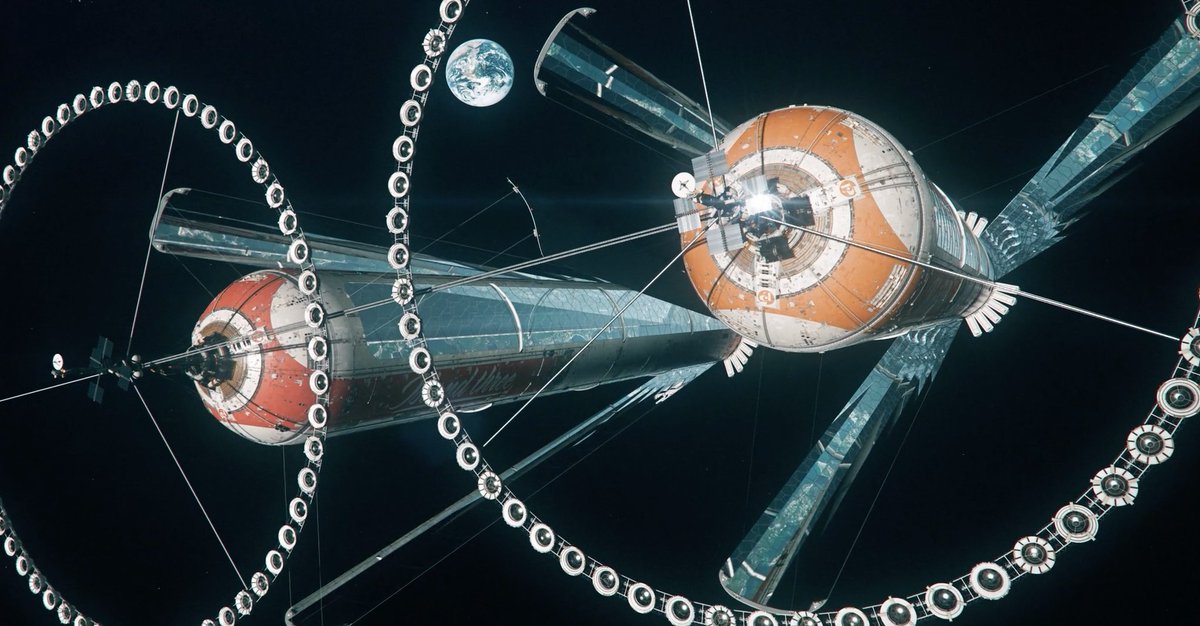
The High Frontier cover. Credits: Erik Wernquist – Digital Artist

We need to expand into outer space, but it’s not easy!

To fully enjoy reading this post, listen to Spacebase by Ozric Tentacles.

We started with staying in space for hours, then days, months, and years. Since November 2, 2000, humans have been living in space continuously, not only on the International Space Station.

Although it can be taken for granted, it is exactly the opposite. Space is a deadly environment, one of the worst we could face. However, we need to expand our activities and lives in outer space, for all the reasons explained in the Spacepolitans Manifesto.

The updated Humans in Space page overviews all past, current, and future initiatives regarding living off Earth. They are still far from being autonomous space colonies, but we are getting closer and closer.

Did I arouse your curiosity? So, jump to the page and have a look!

What’s the next Becoming Spacepolitans section to be updated? My favorite space topic: Asteroids! So, next in review will be the Asteroids: Cross and Delight page, in which we will learn about those lovely space rocks. Or should I say “those menacing wandering rocks”?

Keep an eye out here or subscribe to my blog notification at the bottom of the home page to be informed about the red dusty publication.

Space for All, All for Space!
The Polaris Dawn Spacewalk vs the Overview Effect

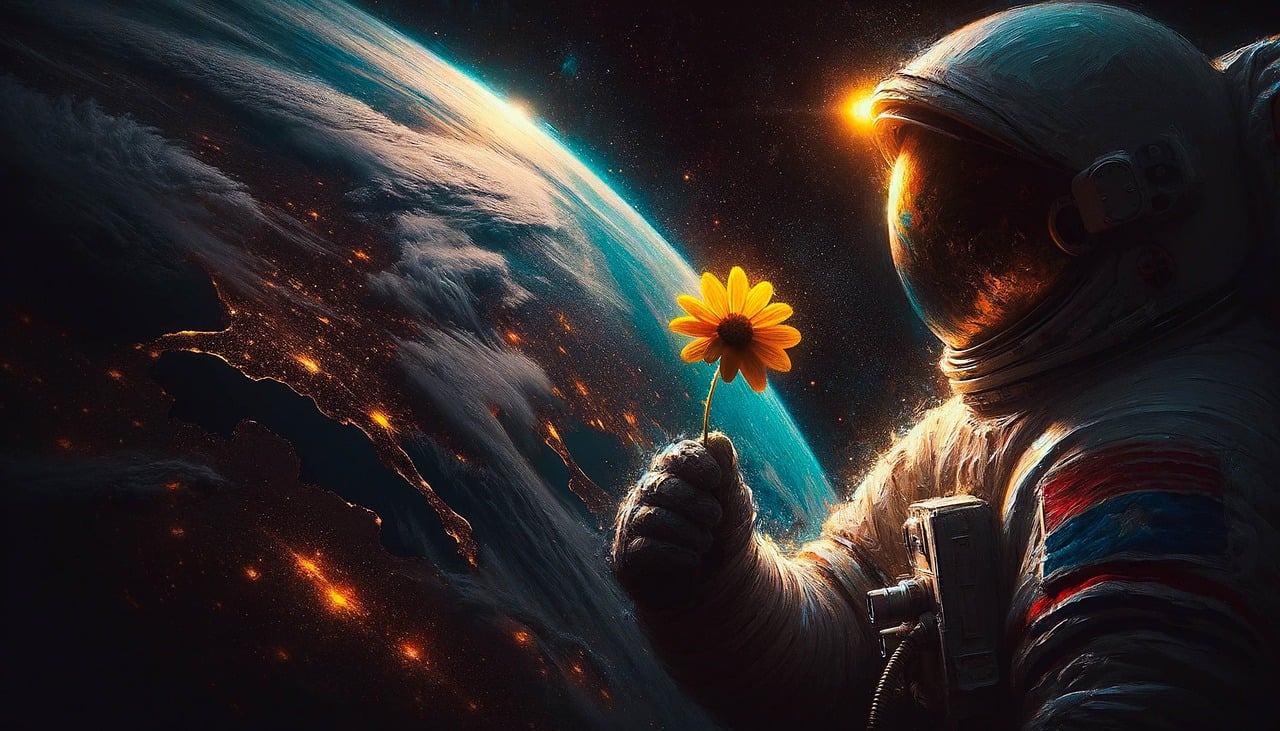
Astronaut looking at the Earth with a flower.
Credits: Image by Chil Vera from Pixabay

Looking at the Earth from space is not just a wow moment, it’s a cognitive shift!

Listen to The Overview Effect Pt.6 by Jet Black Sea to best enjoy reading this post.

One of the most pleasant surprises of human spaceflight is the discovery of our home planet. Almost all astronauts experience a sudden revelation when looking at the Earth hanging in the black Universe. This unique feeling is called the Overview Effect.

The strongest Overview Effect has been felt by the astronauts performing a spacewalk, being exposed to space with just a helmet’s visor between the eyes and the special view of the Earth surrounded by the darkness of space.

This happened also in the first spacewalk of a private astronaut, during the Polaris Dawn mission. Jared Isaacman, commander of Polaris Dawn and EV1, the first astronaut to get out in space, exclaimed as soon as he saw the Earth directly at an altitude of around 700 Km: “Back at home, we all have a lot of work to do, but from here, Earth sure looks like a perfect world”.

Those insightful words directly express the new level of awareness unlocked by the Overview Effect. Many others have been said during the years, as I reported in the revised section of the Becoming Spacepolitans blog about the Overview Effect phenomenon.

Did I arouse your curiosity? So, jump to the page and have a look!

What’s the next Becoming Spacepolitans section to be updated? Humans in Space, the section dedicated to the human spaceflight seems the perfect candidate, after its new chapter written by the first Polaris mission.

So, watch out here or subscribe to my blog notification at the bottom of the home page to be informed about the mystical publication.

Space for All, All for Space!
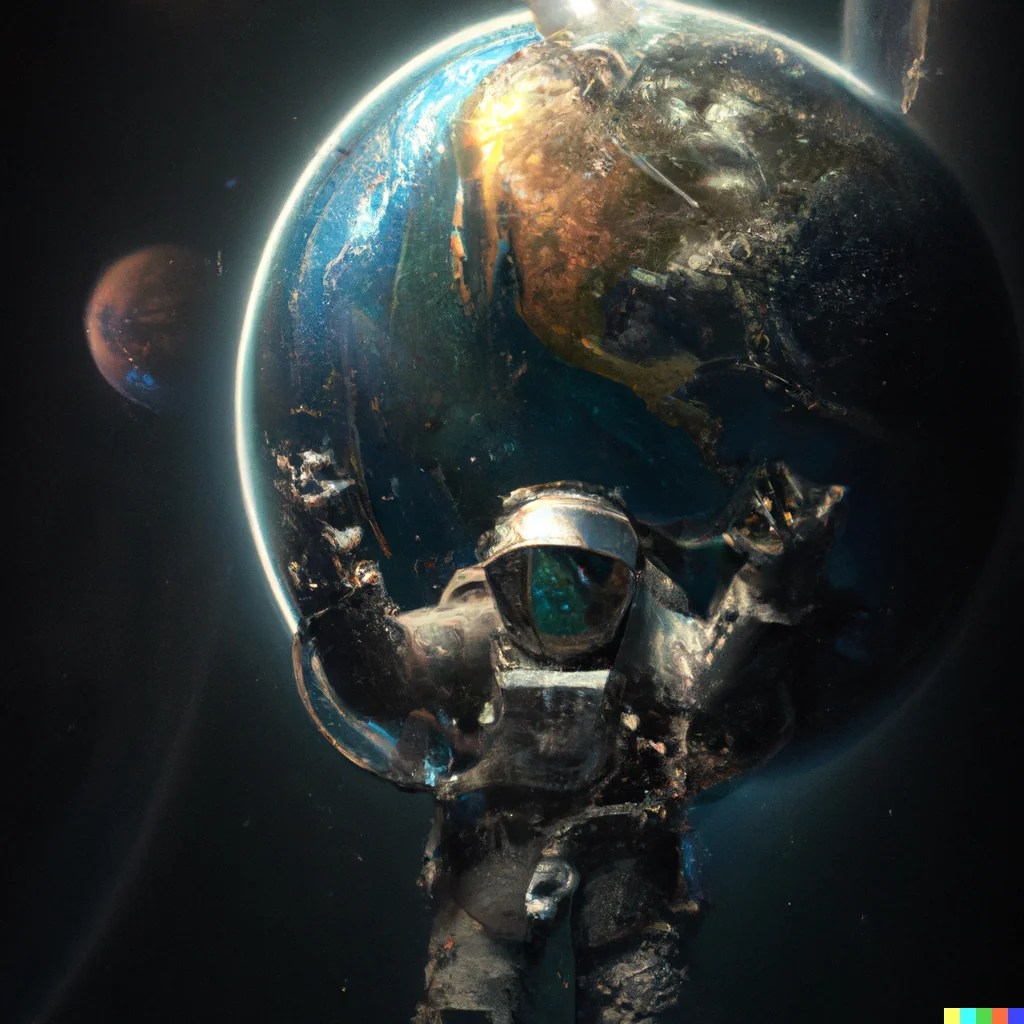
How Space will Save the Earth, Goal after Goal

A giant astronaut holding the Earth on the shoulders.
Credits: Dalle2 (https://www.reddit.com/r/dalle2/)

The UN Sustainable Development Goals: are they indeed achievable? Not without the fifth element, space!

Listen to Space For The Earth (Charlie Roscoe Remix) by Ozric Tentacles and Charlie Roscoe to best enjoy reading this post.

In 2015, all the involved nations signed the UN Sustainable Development Goals (SDG), a program of seventeen ambitious objectives aimed at solving the most painful troubles of our world. The agreement was also on their due date, the year 2030. How far are we after almost ten years?

Well, we could be better positioned. Wars, pandemics, geopolitical shocks: in recent years, humanity hasn’t had much time for international cooperation and global investments to improve the lives of others and the health of the planet.

However, not all is lost. The world can still try to fulfill the entire agenda just by increasing the exploitation of our fifth element: space!

I put together the current and potential benefits of leveraging outer space to reach the SDGs by 2030 and beyond in the revised Space4Earth page. Don’t be afraid about the page length since SDGs are seventeen (plus one), and, as said in the Spacepolitans Manifesto, space can provide crucial resources to meet all of them.

Did I arouse your curiosity? So, jump to the page and have a look!

What’s the next Becoming Spacepolitans section to be updated? After a long list of concrete contributions, let’s dig into a philosophical topic: the Overview Effect! Did you never hear about it? Just wait a few days (yes, days, I promise!), and everything will be clear. Did you already hear about it? Just wait a few days, and you will discover more about it!

Keep an eye out here or subscribe to my blog notification at the bottom of the home page to be informed about the mystical publication.

Space for All, All for Space!
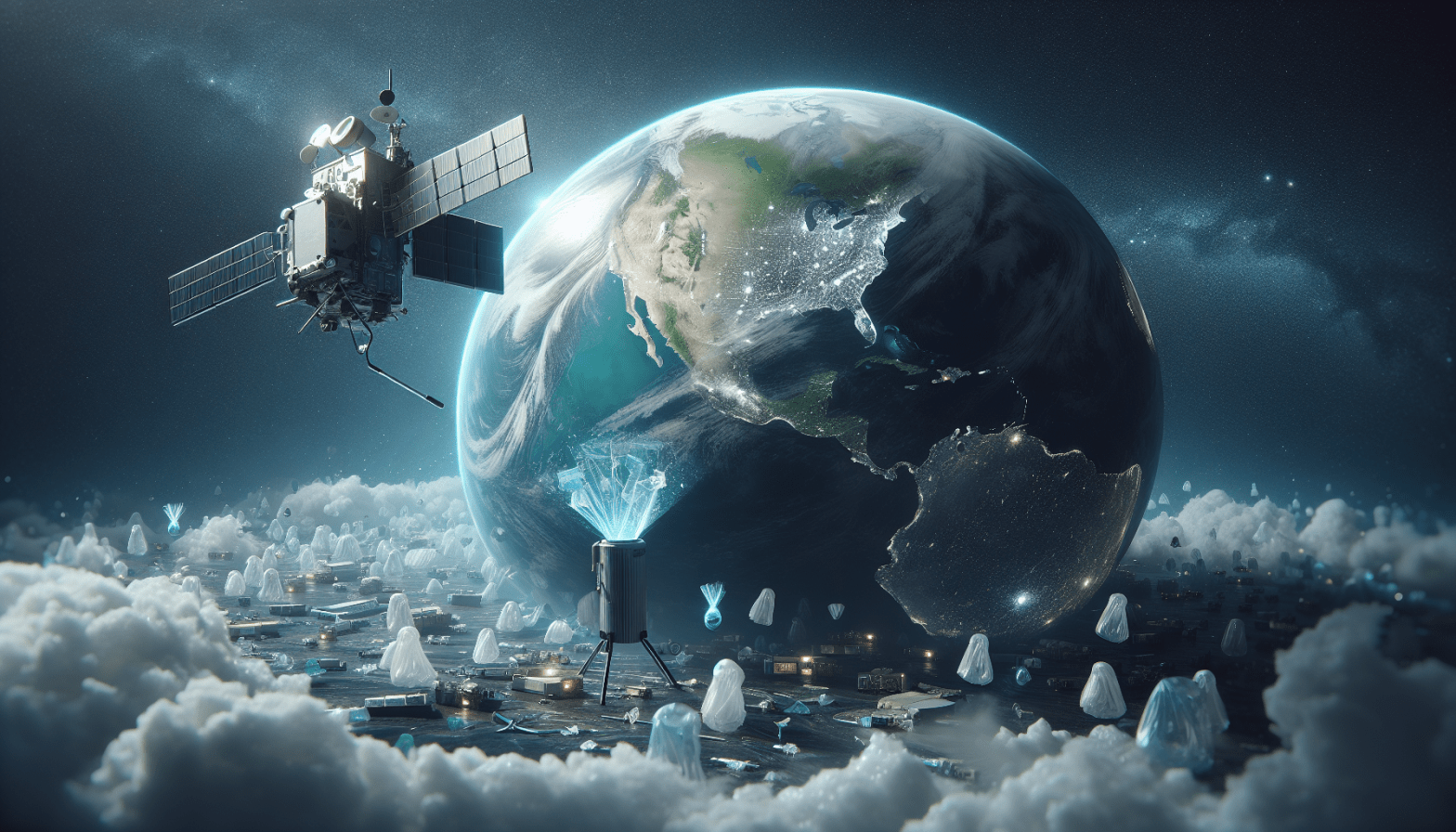
Earth Day 2024 – Earth from Space Revised

The Becoming Spacepolitans blog celebrated the 50th Earth Day. After four years, let’s revise the most used benefits space gives us!

Listen to Earth From Space by Aspect to fully enjoy reading this post.

The 54th Earth Day points to the reduction of plastic production by 60% in 2040 since plastic pollution is increasing and is plasticizing our planet. How can space technologies support this ambitious goal? Easy answer!

Earth Observation data from satellites can be used for many applications. The revised page Earth from Space of Becoming Spacepolitans is about them.

The Ocean Cleanup is a non-profit organization that uses data collected in space and machine learning to find, capture, and clean up trillions of pieces of plastic trash floating in the oceans, forming the famous garbage patches.

So, on one side plastic usage should be improved (less for more), and on the other side, the plastic waste in the environment should be collected. Thanks to these two activities, there could be a chance to fix the problem! And space is here to help!

Did I arouse your curiosity? So, jump to the page and have a look!

What’s the next Becoming Spacepolitans section to be updated? Earth data collected from space are an important contribution to our daily lives. But they are not the only benefit space gives us. Next in review will be the Space for Earth page, in which many benefits to the UN Sustainable Development Goals are cited!

Keep an eye out here or subscribe to my blog notification at the bottom of the home page to be informed about the Earth-friendly publication.

Space for All, All for Space!
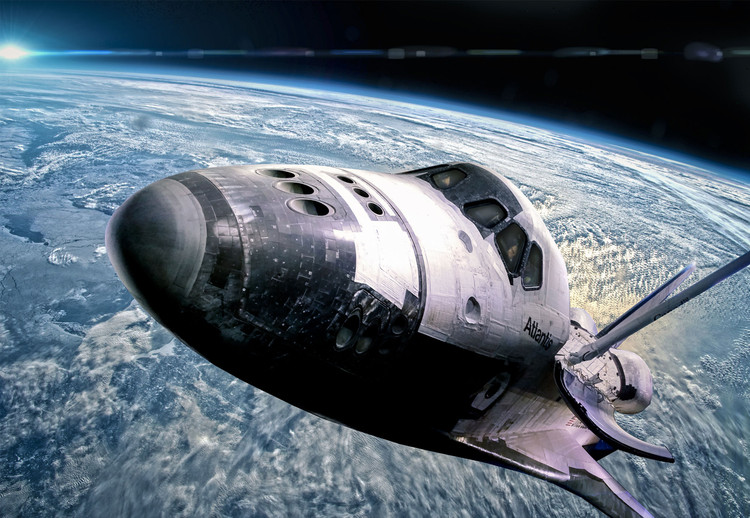
Space Travel: is it just rocket science?

To get out of our Terrestrial cradle, we need to reach space. How many ways do we have? Plenty of, let’s have a look!

Listen to Space Travel by Black Eye to fully enjoy reading this post.

On April 12, 1961, Yury Gagarin became the first man traveling to space. The International Human Spaceflight Day honors that incredible flight.

What better way to celebrate it than updating the section dedicated to Space Travel? The page contains a bit of history of the vehicles humans use to reach space, the current scenario, and future developments.

It is quite impressive to go through one of the hardest technological endeavors since sending humans to space, keeping them “alive and kicking” in the void, and landing them safely back to Earth is not an easy task at all!

If you want to be fascinated by what humans can achieve, jump to the page and look!

What’s the next Becoming Spacepolitans section to be updated? About celebrations, Earth Day is around the corner (April 22). So, the next page will be the section dedicated to the contribution space provides to the UN Sustainable Development Goals.

Keep an eye out here or subscribe to my blog notification at the bottom of the home page to be informed about the Earth-friendly publication.

Space for All, All for Space!
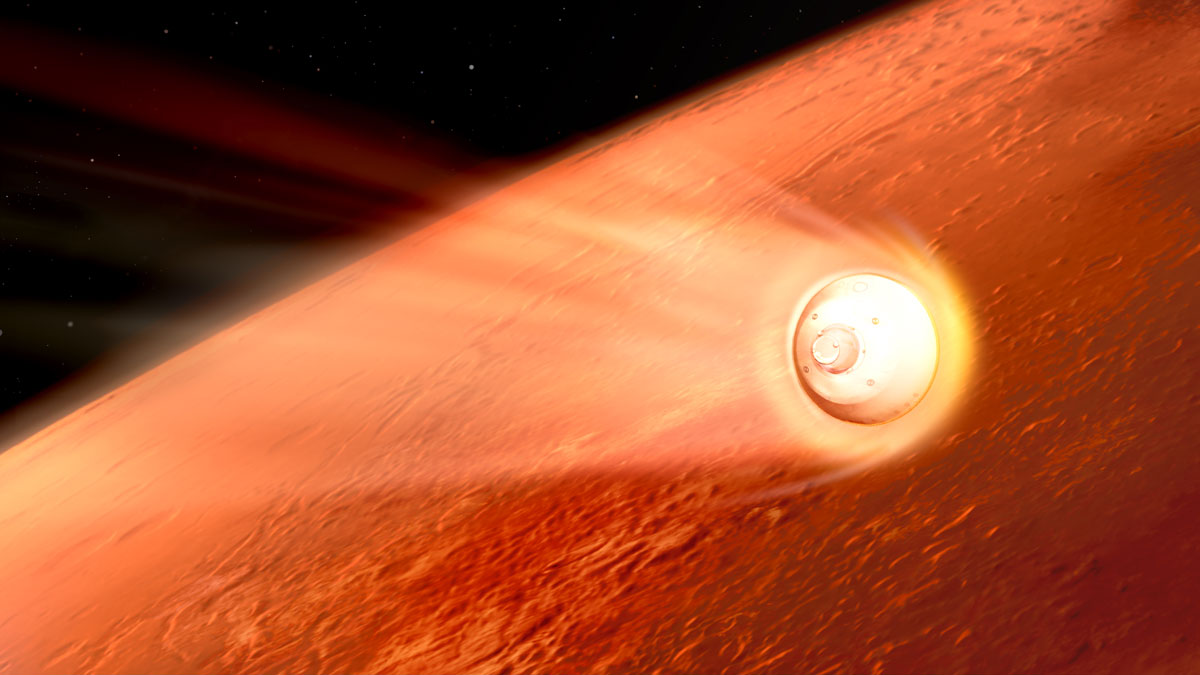
Mars: Our Fascinating Time Machine to Ancient Mysteries

The Red Planet could be the first destination to become a multi-planetary species. But is human exploration a bold leap or a risky gamble?

To fully enjoy reading this post, listen to Mars Attacks by Misfits.

After the Moon, we will finally go to Mars sooner or later. Someone could say that we had been there for sixty years since the first spacecraft, Mariner IV, reached Mars on July 14, 1965, and took the first pictures passing by. However, getting there with humans differs from getting there with probes and robots, that’s clear.

Scientifically speaking, this difference could be an advantage we should consider when planning to reach our fascinating neighbor in person.

The blog page Mysteries on Mars deals with the topic through a bit of history of the relationship Humans-Martians, the current status of the Red Planet exploration, and considerations about its future. I reviewed and updated it, listing the active and planned missions.

Mars is full of mysteries: solving them won’t be easy, and we should find the right way.

Did I arouse your curiosity? So, jump to the page and have a look!

What’s the next Becoming Spacepolitans section to be updated? We can go to the Moon or Mars, only traveling to space! So, the next page I will update is about the means we use to go over the Karman line.

Keep an eye out here or subscribe to my blog notification at the bottom of the home page to be informed about the red dusty publication.

Space for All, All for Space!
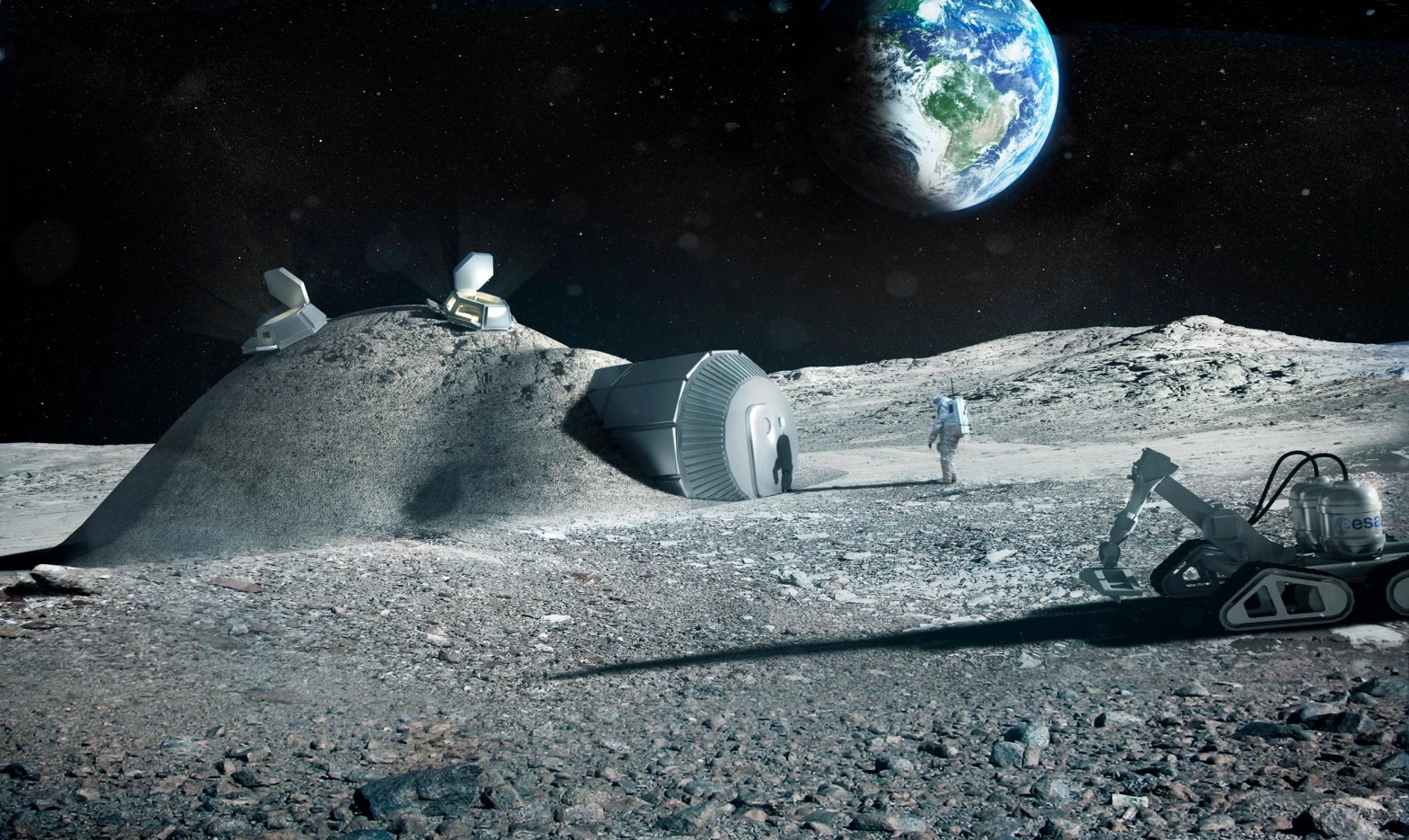
Is the Moon full of opportunities?

First geopolitical, now scientific/economic: our satellite could give us a lot of new benefits!

To fully enjoy reading this post, listen to An Opportunity to Go to the Moon by Reese Lansangan.

Here we are with the Moon. As said in the last post, I reviewed and updated the page “A Moon of Opportunities”. I counted at least eight missions toward our rocky neighbor to happen in 2024, so the update is just on time.

I endeavored to keep up with the pace, touching on history, developments, programs, and possible scenarios in the name of one of the most attractive human stimuli: opportunities.

The Moon is full of opportunities for the ones who will be ready to catch them: this is why more and more countries are preparing to be ready, maybe to be the first!

Did I arouse your curiosity? So, jump to the page and have a look!

What’s the next Becoming Spacepolitans section to be updated?

We are going to the Moon and then to Mars! So, the next page will be “Mysteryes on Mars,” with my unexpected point of view about the human exploration of the Red Planet.

Keep an eye out here or subscribe to my blog notification at the bottom of the home page to be informed about the red dusty publication.

Space for All, All for Space!
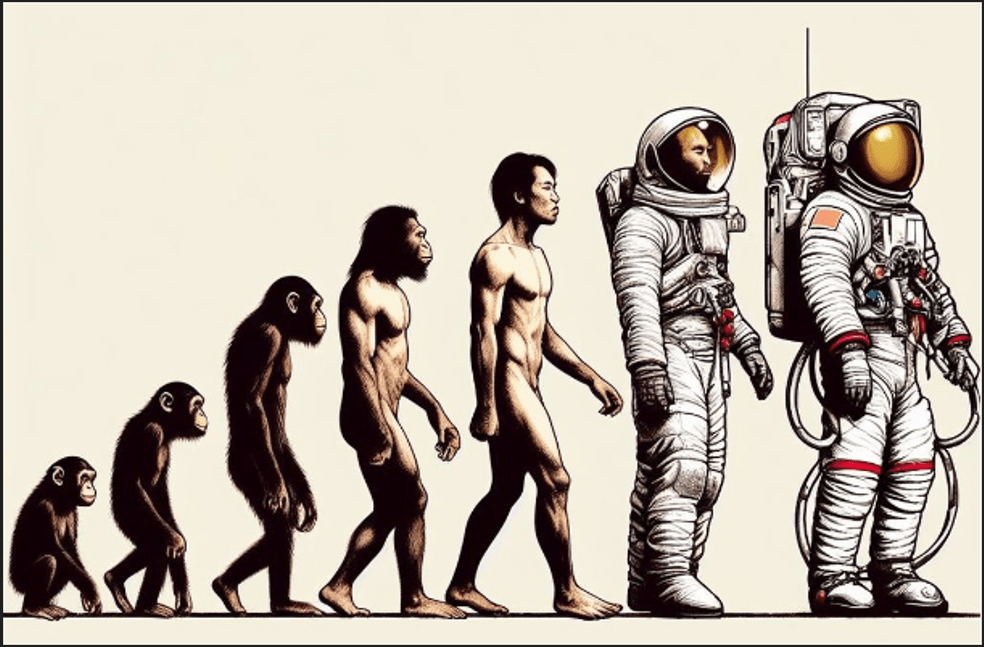
Will 2024 be the year of the Moon?

Moon or not, this will be the year of the revival of Becoming Spacepolitans!

To fully enjoy reading this post, listen to Zeit by Rammstein

According to the current plans, humans will orbit again around our beloved natural satellite in 2024, thanks to the Artemis II mission. They will not be “alone” since many other lunar robotic missions will occur this year. It’s like the warm-up of a new Moon race.

If Artemis II is on time, 2024 could be the first lap of the race, the year in which the Moon will be back at the center of the space competition. In other words, 2024 could be the Year of the Moon.

However, the Moon is not the only hot matter for this year in space. Many other missions, technology demonstrators, and new vehicles at their first flight will be on the launch pad.

To keep the pace of all this space news, Becoming Spacepolitans pages need to be revived. Unfortunately, only the English pages will be part of the update. The Italian friends, not English-speaking, could then use the translator available in Chrome or other browsers to get the content in their preferred language.

The first section is the Spacepolitans Manifesto, updated with the latest information and refined for a better understanding.

Which page will be updated next? A Moon of Opportunities, of course! When? Before the end of January, I promised!

Stay tuned, and Happy New Space Year to everyone!

Music & Space – Spacepolitans Playlist Update

Music for the stars or music from the stars?

(versione italiana)

To fully enjoy reading this post, listen to Space Man by Sam Ryder

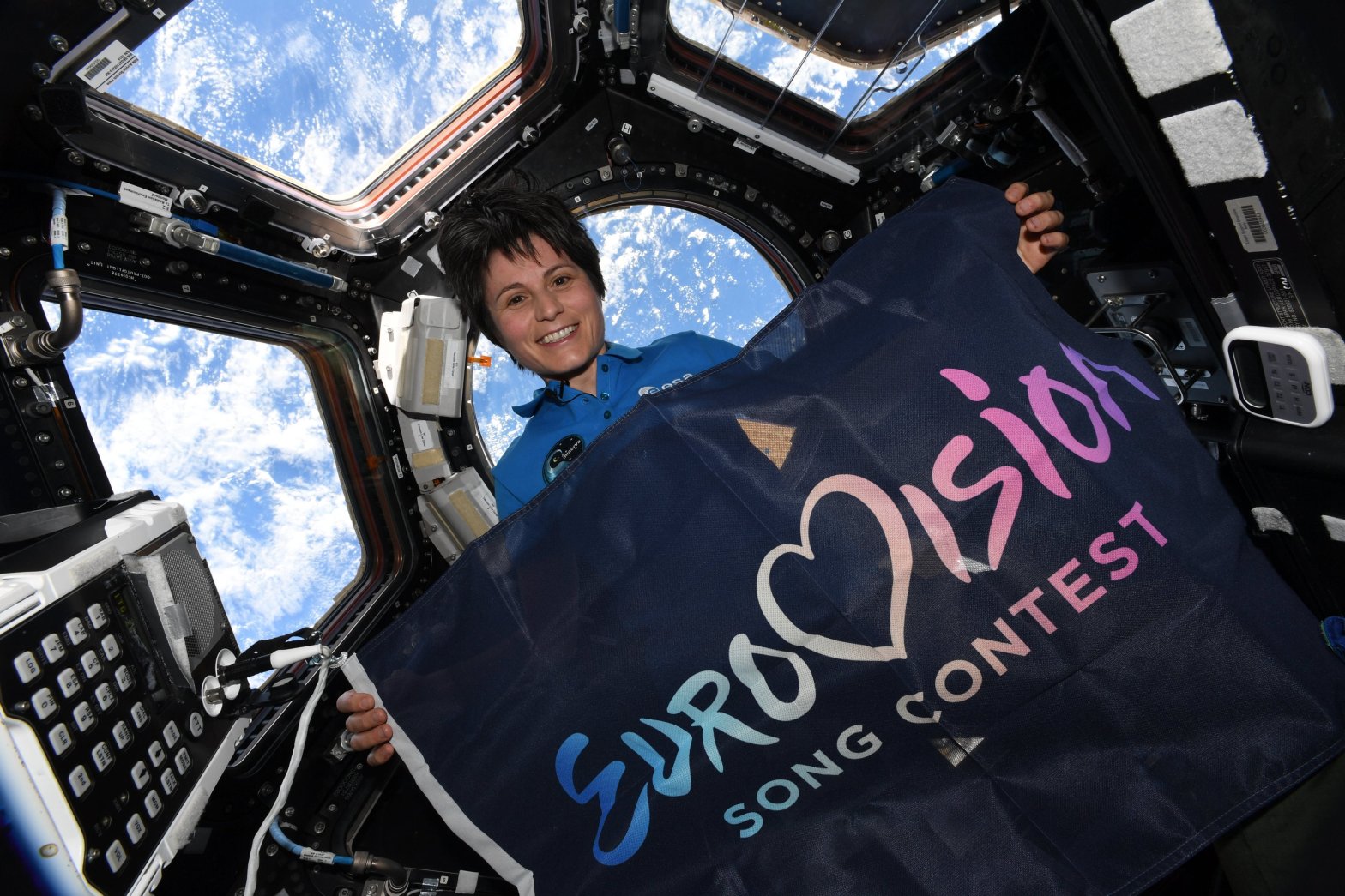
Music and space are very interrelated. Musicians are constantly inspired by cosmic objects, by ventures in space, by the universe as a whole. Through music, engineers, entrerpreneurs, scientists exercise their creativity to solve problems, set targets and objectives, naming their projects. Even astronauts are very fond of music, as Samantha Cristoforetti pointed out in a tweet dedicated to the Eurovision 2022 contest: “Music & spaceflight – yes! It sets the mood for launch, motivates us in our space gym, helps us relax in our free time & connects us with our crew mates”.

No better way to celebrate this wonderful interconnection, than by updating the Spacepolitans Playlist! You can find it here, with some new addition, included the last Eurovision song dedicated to space: Space Man by Sam Ryder, the theme of this article.

So, enjoy these great songs and remember the Spacepolitans motto: Space For All, All For Space, music included!


Musica & Spazio – Aggiornamento Alla Playlist dei Cittadini Dello Spazio

Musica per le stelle o musica dalle stelle?

Per gustare al meglio la lettura, si consiglia l’ascolto di Space Man di Sam Ryder

Musica e spazio sono molto legati e interconnessi. I musicisti sono costantemente ispirati dagli oggetti cosmici, dalle avventure nello spazio, dall’universo nel suo insieme. Mentre ingegneri, imprenditori e scienziati dipendono molto dalla musica per esercitare la loro creatività e risolvere problemi, fissare obiettivi, nominare i loro progetti. Anche gli astronauti amano molto la musica, come ha descritto Samantha Cristoforetti in un tweet dedicato all’Eurovision 2022: “La musica e volo spaziale – sì! Crea la giusta atmosfera durante il lancio, ci motiva nella nostra palestra spaziale, ci aiuta a rilassarci nel tempo libero e ci connette con gli altri”.

Come celebrare nel migliore dei modi questa meravigliosa interconnessione, se non aggiornando la Playlist dei Cittadini dello Spazio? La si può trovate qui, con qualche novità, inclusa l’ultima canzone dell’Eurovision dedicata allo spazio: Space Man di Sam Ryder, tema di questo articolo.

Quindi, godiamoci queste fantastiche canzoni e ricordiamoci del motto dei Cittadini dello Spazio: lo Spazio per Tutti, Tutti per lo Spazio, musica inclusa!