An inexhaustible source of inspiration for humanity
(versione italiana)
To fully enjoy reading this post, listen to I Could Go On by Foxanne
Space influences us: from the alternating of night and day to the development of the most advanced technologies. Could you find another influencer with eight billion followers?
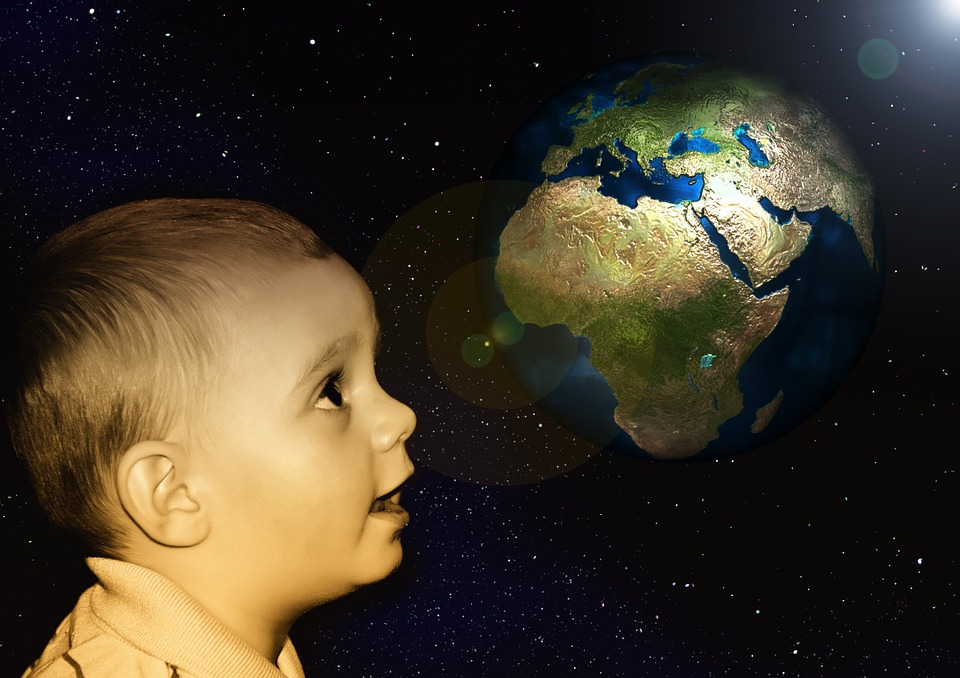
We all live in space. We all live in space aboard a unique natural starship called Planet Earth. This starship travels tied to a star called Sun. This star travels around a supermassive black hole, called Sagittarius A, located in the centre of a galaxy known as Milky Way. And so on. Thus, we can agree without doubts that we all live in space and space is ultimately the environment we find ourselves in. This is why space has such a huge influence on us, being an inexhaustible source of inspiration since the beginning of time.
A recent research found that one of the first traces of this influence has directly impacted our evolution path. More than two million years ago, a supernova exploded a hundred and sixty light years from Earth and this event may have been a major cause of the development of bipedalism in our ancestors. Romantically, we could imagine that the hominids were fascinated by its awesome light and that they began to stand erect to observe it better. Alas, regardless of its poetical charm, this is not the scientific truth emerged from that research. Instead, the study reveals that the huge cosmic energy of the supernova caused a strong ionization of the Earth’s atmosphere, which in turn triggered a chain of events that transformed the forests of East Africa into a savannah. Thus, our progenitors were forced to descend from the trees and walk upright, looking for predators to avoid being eaten. A less poetic cause, but surely very effective.
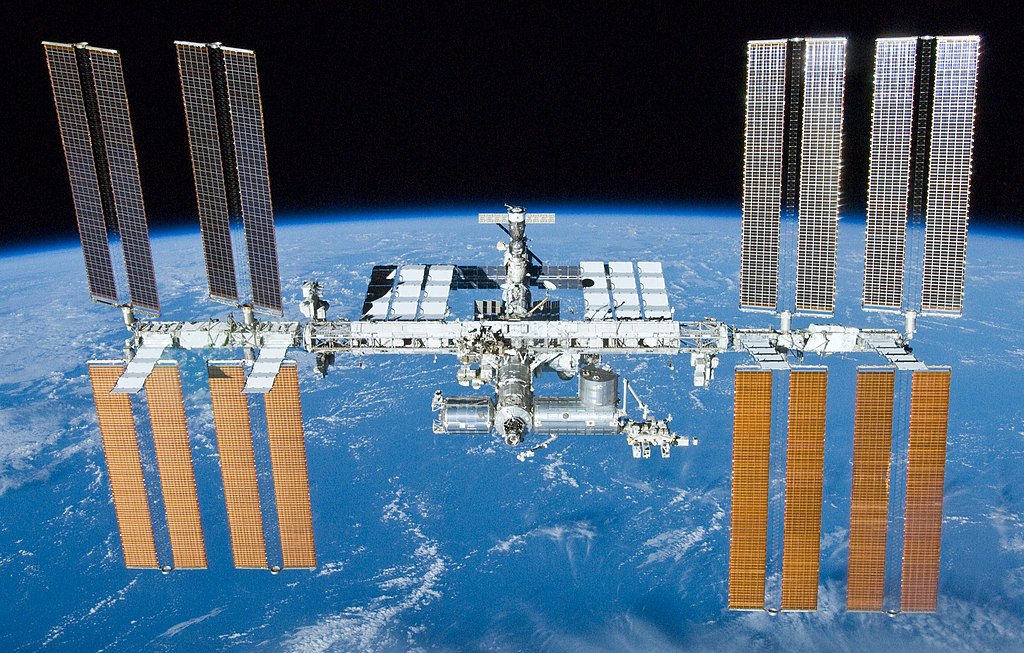
Nowadays, space continues to have a physical influence on humans, further increased by the conquest of Low Earth Orbit (LEO), the best place to access the condition of microgravity. This is why the most expensive and complex scientific laboratory was built in LEO: the International Space Station (ISS). It is constantly operated to support thousands of scientific experiments, aiming to improve our life on Earth and enable our expansion in the Solar System. In the future this effect will only increase, as we expand human operations in orbit, on the Moon and beyond.
Moving on to a more intellectual level, it is truly impressive how space has been such an inspiration to humanity. I realized its extent of this fact very recently, thanks to the presentation devised by my son as his eighth grade exam. His teachers asked him to elaborate on the relationship between Man and the Universe through six different topics: History (Gagarin and the space race), Music (2001: A Space Odyssey soundtrack), Art (Mirò’s Constellations), French Literature (Le Petit Prince), Religion (theocentrism and anthropocentrism) and Technology (space technology transfer). It was fascinating to realize how much space affected humanity over the centuries and across the entire spectrum of human activities (by the way, this work on space earned him full marks! A very positive influence!).
The next inspirational level? We have just witnessed it! For the first time, four ordinary people travelling in space on a SpaceX Crew Dragon for three days. Called Inspiration4, this mission was entirely founded by Jared Isaacman, the crew commander. It was not the whim of an eccentric rich man, as many have argued on social media. The intents were multiple:
- Support SpaceX vision to make humans a multi-planetary species;
- Run new biomedical experiments designed to advance human health on Earth and during future long-duration spaceflights;
- Raise two hundred million dollars for St. Jude Children’s Research Hospital to push the overall childhood cancer survival rate;
- Open a new chapter of human spaceflight and the path for future civilian (scientists included!) commercial missions;
- Experience the Overview Effect (see the dedicated page on this blog for additional details) through ordinary peoples’ eyes;
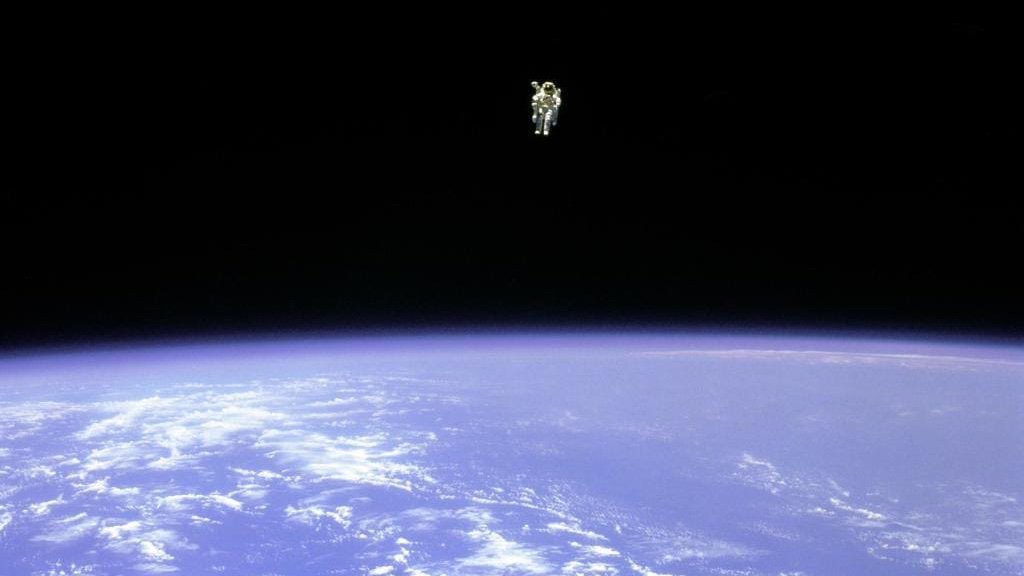
- Fly to an altitude higher than the ISS and Hubble telescope, going a step beyond the current human presence in space (only Apollo astronauts went beyond that);
- Finally, inspire the world and above all the younger generations to “dare mighty things”, especially in space!
Thus, whether for its physical influence or for its intellectual inspiration, space constantly challenges humanity to improve, to set new limits and overcome difficulties. To succeed we need to increase our awareness of the importance of space for our survival as a species and for the restoration of Planet Earth (see Spacepolitans Manifesto for more insights). Then, we need to face our responsibilities as intelligent and self-aware species and finally act accordingly.
So, let’s start getting inspired with the inspirational Spacepolitans motto: Space for All, All for Space!
Spazio, Il Vero Re Degli Influencer
Una inesauribile fonte di ispirazione per il genere umano
Per gustare al meglio la lettura, si consiglia l’ascolto di I Could Go On di Foxanne.
Lo spazio ci influenza costantemente: dall’alternarsi del giorno e della notte allo sviluppo delle tecnologie più avanzate. Quale altro influencer può vantare ben otto miliardi di follower?
Viviamo tutti nello spazio. Viviamo tutti nello spazio a bordo di un’astronave naturale unica, chiamata Pianeta Terra. Questa astronave viaggia legata ad una stella, chiamata Sole. A sua volta, questa stella viaggia attorno a un buco nero super-massiccio, chiamato Sagittarius A, situato al centro di una galassia nota come Via Lattea. E così via. Possiamo quindi essere d’accordo senza dubbio che tutti noi viviamo nello spazio e lo spazio è l’ambiente complessivo in cui ci troviamo. Ecco perché lo spazio ha un’influenza così grande su di noi: una fonte inesauribile di ispirazione dall’inizio dei tempi.
Una recente ricerca ha scoperto che una delle prime tracce di questa influenza avrebbe apportato un impatto diretto sul nostro percorso evolutivo, innescando lo sviluppo del bipedismo nei nostri antenati. Lo studio ha evidenziato come l’esplosione di una supernova avvenuta più di due milioni di anni fa, a una distanza di circa centosessanta anni luce dalla Terra, abbia potuto essere la causa di tale cambiamento radicale. Romanticamente, potremmo immaginare che gli ominidi siano rimasti affascinati dalla sua luce straordinaria e che abbiano cominciato a stare in piedi per osservarla meglio. Ahimè, a prescindere dal suo fascino poetico, non è questa la verità scientifica emersa da quella ricerca. Lo studio ha rivelato infatti che l’enorme energia cosmica rilasciata dalla supernova fu la causa di una forte ionizzazione dell’atmosfera terrestre, che a sua volta innescò una catena di eventi tali da trasformare le foreste dell’Africa Orientale, casa dei nostri antenati, in una estesa savana. Fu così che i nostri progenitori furono costretti a scendere dagli alberi e a camminare eretti, alla continua ricerca dei loro predatori per evitare di essere mangiati, dal momento che gli alberi su cui si rifugiavano erano pressoché spariti. Una causa sicuramente meno poetica, ma decisamente molto più efficace per iniziare una tale trasformazione!
Al giorno d’oggi, lo spazio continua ovviamente ad avere un’influenza fisica sugli esseri umani, aumentata ulteriormente dalla conquista dell’orbita bassa terrestre, il luogo migliore dove accedere alla condizione di microgravità. E’ proprio per questo motivo che in orbita bassa è stato costruito il laboratorio scientifico più costoso e complesso: la Stazione Spaziale Internazionale (ISS). Sulla stazione sono stati effettuati e sono ancora in corso migliaia di esperimenti, con l’obiettivo di migliorare la nostra vita sulla Terra e consentire la nostra espansione nel Sistema Solare. In futuro l’influenza fisica dello spazio potrà solo che intensificarsi, man mano che aumenteranno le nostre attività in orbita, sulla Luna e oltre.
Passando a un livello di influenza più intellettuale, è davvero impressionante come lo spazio sia stato di una tale ispirazione per l’umanità. Mi sono reso conto della portata di questo fatto molto di recente, grazie alla presentazione ideata da mio figlio come esame di terza media. I suoi insegnanti gli hanno chiesto di approfondire il rapporto tra l’Uomo e l’Universo attraverso sei diversi argomenti: Storia (Gagarin e la corsa allo spazio), Musica (Colonna sonora 2001: Odissea nello spazio), Arte (Le costellazioni di Mirò), Letteratura francese (Le Petit Prince), Religione (teocentrismo e antropocentrismo) e Tecnologia (trasferimento di tecnologie spaziali). È affascinante rendersi conto di come lo spazio ci abbia costantemente influenzato soprattutto a livello intellettuale nel corso dei secoli e attraverso tutto lo spettro delle attività umane (a proposito, questo lavoro sullo spazio è valso il massimo dei voti all’esame: un’influenza molto positiva!).
Il prossimo livello di ispirazione? L’abbiamo appena vissuto! Per la prima volta, quattro persone normali, non professionisti dello spazio, hanno viaggiano su una navicella Crew Dragon della SpaceX rimanendo per tre giorni nell’orbita terrestre, tornando sani e salvi. Inspiration4 (questo il nome della missione) è stata interamente finanziata da Jared Isaacman, il comandante dell’equipaggio. Ma non è stato un suo capriccio da ricco eccentrico, come molti hanno sostenuto sui social. Gli intenti sono stati invece molteplici:
- Supportare la visione di SpaceX per rendere gli esseri umani una specie multi-planetaria;
- Eseguire nuovi esperimenti biomedici progettati per far progredire la salute umana sulla Terra e durante futuri voli spaziali di lunga durata;
- Raccogliere duecento milioni di dollari per il St. Jude Children’s Research Hospital per aumentare il tasso di sopravvivenza globale del cancro infantile;
- Aprire un nuovo capitolo del volo spaziale umano e segnare il percorso per future missioni commerciali civili (scienziati inclusi!);
- Sperimentare l’Effetto Visione d’Insieme o Effetto Overview (vedi la pagina dedicata su questo blog per ulteriori dettagli) attraverso gli occhi di persone comuni;
- Volare ad un’altitudine superiore alla ISS e al telescopio Hubble, andando un passo oltre l’attuale presenza umana nello spazio (solo gli astronauti dell’Apollo sono andati oltre);
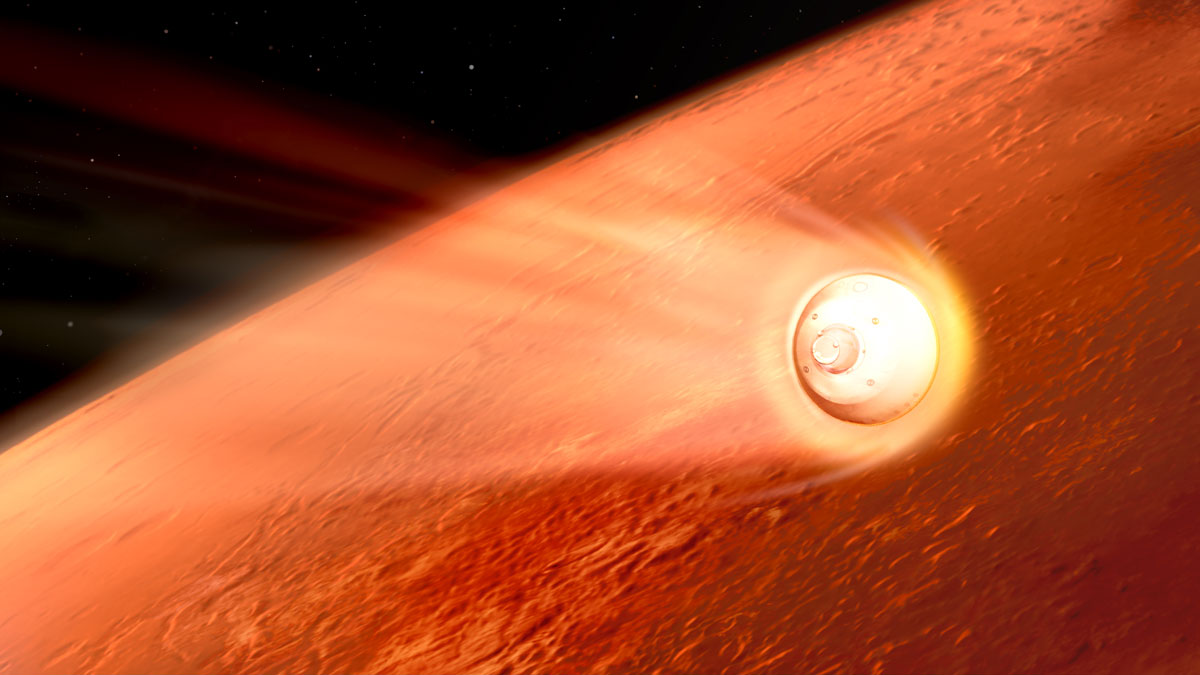
- Infine, ispirare il mondo e soprattutto le nuove generazioni a “osare cose potenti” (“dare mighty things”, come scritto dalla NASA sul paracadute del rover Perseverance), specialmente nello spazio!
E così, sia per la sua influenza fisica che per la sua ispirazione intellettuale, lo spazio sfida costantemente l’umanità a migliorarsi, a fissare nuovi limiti e a superare le difficoltà. Per superare con successo tali sfide, dobbiamo però aumentare la consapevolezza di quanto lo spazio sia fondamentale per la nostra sopravvivenza come specie e per il ripristino del nostro pianeta (vedi Manifesto dei Cittadini dello Spazio per maggiori approfondimenti). Con questo in mente, dobbiamo poi affrontare le nostre responsabilità di specie intelligente e auto-consapevole e agire di conseguenza.
Quindi, iniziamo a ispirarci con il motto ispiratore dei Cittadini dello Spazio: Tutti per lo Spazio, lo Spazio per Tutti!


 Becoming Spacepolitans