Observing Earth From Space

Looking From Outside to Fix What’s Inside

To fully enjoy reading this post, listen to Blade Runner End Titles by Vangelis

Here we are, this is the first notable achievement that humanity reached on the way to evolve into spacepolitans, let’s break the ice.

Listening and reading around for my quest, I met the thoughts of a genial mind, George I. Gurdjieff.
One of his ideas really impressed me: to rationally begin this (please refer to the book Views from the Real World to see what’s “this” is referring to) cleaning, it is necessary to see what needs to be cleaned, where and how; but seeing it for yourself is almost impossible. In this field, to grasp anything, it is necessary to observe from the outside: this is why mutual help is indispensable.
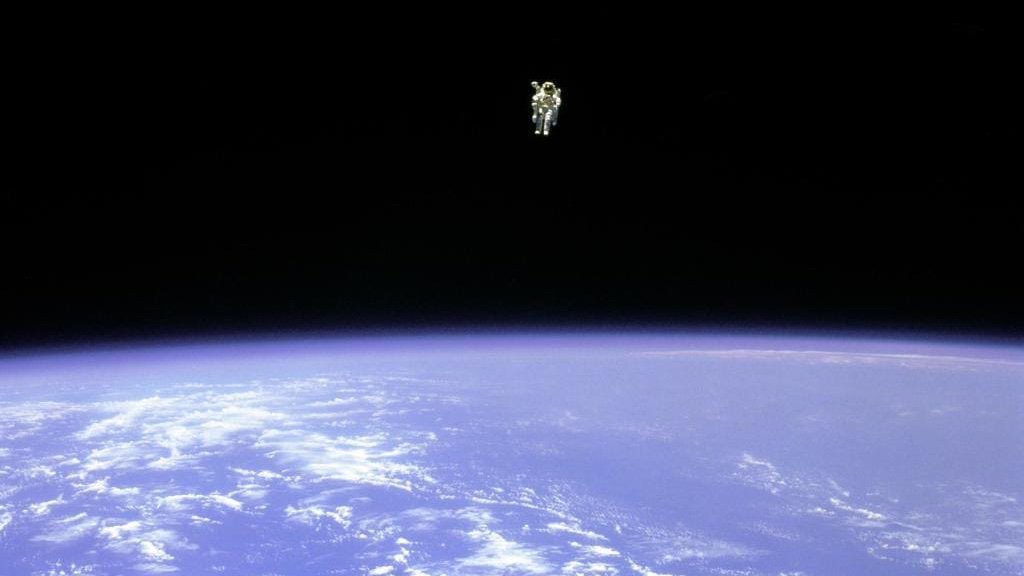
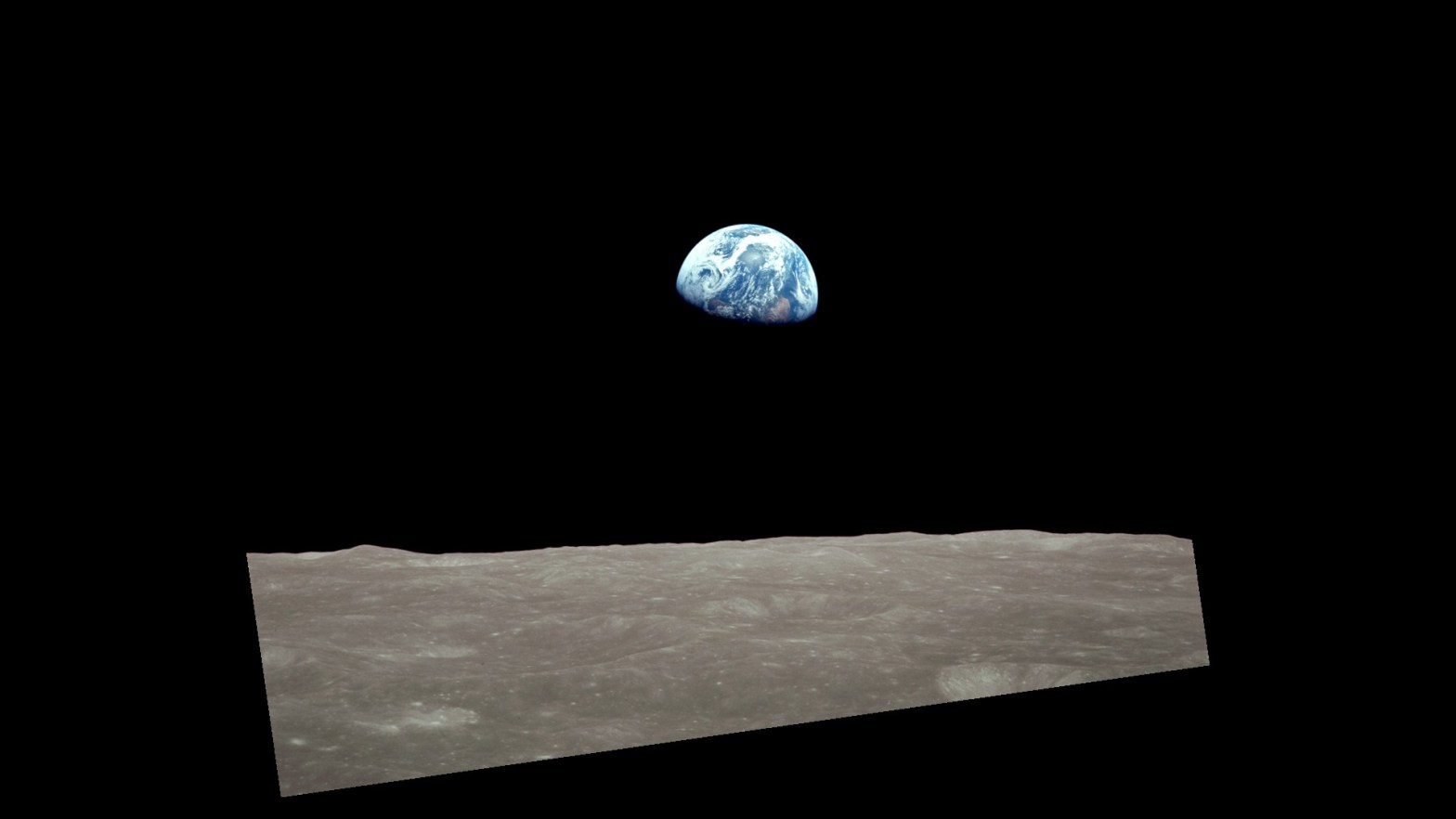
Reading this concept reminded me immediately of the famous picture Earthrise, “the most influential environmental photograph ever taken”, as Nature photographer Galen Rowell declared. Looking at the Earth from Outer Space has been one of the most important “Oh Wow” moments for humanity, finally leading to the initial development of an ecologically aware movement: going into space began to prove tremendously useful for the Earth.

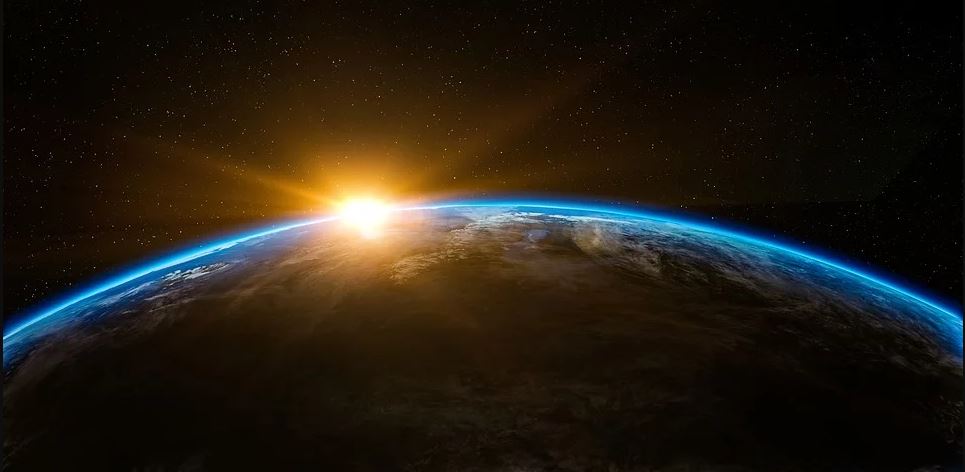
Since that picture taken in 1968, many other systems were developed to look at the planet from space, with the aim to provide many different perceptions from the outside and to learn what was happening on it.
One of the most ambitious Earth observation programs to date is Copernicus, from the European Space Agency. Thanks to the Sentinel satellite fleet, it provides accurate, timely and easily accessible information to improve environmental management, to understand and mitigate the effects of climate change, for a safer and more sustainable future.
If we look towards the other side of the Atlantic, NASA is running a similar program, called NASA Earth Science, with the mission to use Earth observations to solve our planet’s most pressing issues.

In which ways are programs like these enriching our awareness of environmental issues? Some examples are the clear pictures of glaciers retreat and of sea level rise or, more recently, the drastic reduction of pollution emissions due to Covid19 lockdown and to many human activities forced to a halt.
Hence these pictures and the data retrieved through Earth observations from space are increasing day by day the evidence of our impact both negatively and positively (usually to remedy human mess).

Do we need a clearer example? Ok, I have a very good one, a true success story. Let’s take a look at what happened to the Ozone depletion discovery, made in 1985. Researches about the impact of an industrial synthesis product (chlorofluorocarbons or CFC) on Earth ozone layer started in the 70’s and in 1985 it was officially stated that CFCs were the main cause of the ozone layer depletion in those years. Among the most decisive proofs, the measures carried out by NASA satellite Total Ozone Mapping Spectrometer (TOMS) not only confirmed those researches, but also showed a hole more extended than expected. Thanks also to these evidences, 197 UN countries unanimously ratified the Montreal Protocol on Substances That Deplete the Ozone Layer in 1987 and, after years of application of that protocol, UN finally issued a scientific assessment in 2018 about the ozone hole recovery, facts testified by orbiting instruments like NASA HALOE or ESA ERS-2.

I’m sure you got the point now and this is just the first evidence that Space is essential to save our species, the first of a long list! I will reveal another one in my next blog entry. Stay tuned and let’s become spacepolitans!

Hestia and Hermes: my little contribution to 50th (h)Earth Day (1/3)

To fully enjoy reading this post, listen to Dance of the Clairvoyants by Pearl Jam

Preface

I had the idea for this paper in August 2019, well before the last tragic events about the Covid-19 pandemic that are having an incredible impact on the whole human race. Although the main driver which led me to share my two cents for the 50th Earth Day was not linked to the strict survival of our species, but in general of life itself, I have to admit that the conclusions I reached in the original version are even more fitting now.

Part 1: Awareness – A New Evolutionary Passage for Mankind is Mandatory

In order to sustain its own development and growth, mankind is consuming Earth’s resources, polluting the natural environment, seriously contaminating the biosphere and leading to the extinction of many life forms. More and more scientists are sharing studies about the bad influence that human greed and hunger are currently having on the world. Still, we are continuing this crazy race, following our inner nature as exploiters.

On the other hand, Earth is so far the only known planet to host life, as we understand it, and human race is the only completely intelligent and self-aware species on this planet. This led it to prevail over all the others.
But as Spider-Man used to say, with great power comes great responsibility: humans must be the caretakers of this unique life sanctuary, not its destroyers.

This is the biggest existential dilemma for our species: to follow its inner selfish nature and continue to consume its world or to stop all the contaminant activities and come back to a 100% natural way of living.

Unfortunately both ways don’t seem viable since they imply unacceptable consequences for most people.
The first will lead to worsening environmental conditions, detrimental to human development, possibly leading to a great decrease in population, if not to its extinction.
The second is just pure fantasy, since the actual industrial and technological developments cannot be stopped. Nobody will renounce the status and the conveniences achieved so far just in view of a possible future complete disaster.

So, Houston, we have a problem.
However, to solve this intrinsic conflict of interest, I see a possible answer in a third way, already depicted by many influential people of our time:

humankind must move main exploiting and defiling operations in Outer Space, finally changing its impact on Earth, this unique life cradle.

Like the ancient gods Hestia (hearth) and Hermes (angel, messenger, will to leave), the entire Earth must be considered as the global hearth of humanity and life itself and the human tendency to leave, to explore and to overcome frontiers, should act as a boost for the transition towards a new industrial revolution in space.
This will be the next evolutionary phase for the human race itself: becoming a spacepolitan species finally including Outer Space in our “cosmos”.

Interested in knowing more? Let’s go to
Part 2: Achievement– Garden of Eden Back on Earth, The Relocation of Isengard

Hestia and Hermes: my little contribution to 50th (h)Earth Day (2/3)

Part 2: Achievement – Garden of Eden Back on Earth, The Relocation of Isengard

To fully enjoy reading this post, listen to Planet of Visions by Kraftwerk

As per all visions like the one described in Part 1, a related mission should follow, giving indications on how the vision can be achieved. This is the intent of the second part of the paper.

In order to figure out the way forward, we can imagine the whole Earth as a gigantic natural park, with all the rules and restrictions that such a status implies. Every human operational aspect must be considered, evaluated and modified in such scenario. In the next paragraphs, I’ll try to list and group main activities adding my considerations. Although not exhaustive, they are a potential starting point for further discussions.

Industries
Only industries able to reach zero-pollution can remain on the planet. Industries that cannot evolve in such direction must move their operations outside the planet, to places like the Moon, asteroids or to artificial infrastructures built in outer space.
Products made in space and needed on Earth should be brought back through zero-impact ways, or almost zero (see Means of Transport paragraph).
No products made on Earth can be exported out of it, unless strictly necessary to sustain human kind in space and in very limited quantity.
Products must be realized following the principles of circular economy, allowing full recyclability and zero-pollution for the entire product life-cycle.
Existing factories must be refurbished to be eco-friendly and zero emissions. If it is not possible, they have to be torn down. The cleared areas have to be reconverted back to the wild.
New factories must be built using eco-friendly and fully sustainable materials and they have to be built only in special areas.

Resources;: Mining and Harvesting
Non-biological resources that are exploited without polluting the environment and endangering life can be utilized to satisfy human needs on Earth. Other non-biological resources have to be mined from extra-terrestrial bodies to be used both on Earth and directly in space.
Only biological resources exploited without adding pollution and threatening lifeforms extinction can be utilized for human needs. Biological resources that will be grown in space can be farmed in any way to be used to sustain human life in space and even on Earth, if necessary.

Energy
Energy demands on Earth must be met only by renewable sources, they must be zero-pollution and not endangering any life form, taking into consideration the entire life-cycle of energy generation, devices production and waste management included.
Any kind of energy is allowed for extra-terrestrial needs. Its waste must not affect life, especially on Earth.

Communication
The preferred communication method on Earth must be wired, in order to keep high power antennas to a minimum, to avoid interference with life forms and any impact on the environment.
Satellite communication is obviously allowed in order to communicate with outer space, but its antennas must be confined in specific areas.
Radio communication is allowed in urban areas, but it must be kept under a minimum power level and low power protocols must be used.
In the wild, radio communication is allowed only with special permissions and must be kept to a minimum.

Means of Transport
Means of transport which are not polluting the environment are allowed on Earth. The eventual disturbance for life forms must be limited to a minimum and confined to restricted and specific areas.
Means of transport coming from and aimed to reach outer space can obviously be used, but their use must be limited to specific areas and only during daylight.
Means in outer space can function via every kind of engines or propellant, but they must not harness life, especially on Earth.

Life system
Only a 100% renewable and zero-impact life style is allowed on Planet Earth. This implies for example that food must be organic, materials and technologies allowed have to guarantee full recyclability, without altering the balance of the biosphere (see also Industries paragraph).
Existing buildings must be converted in totally eco-friendly ones. If not possible, they have to be rebuilt, but only if strictly needed. Otherwise the cleared area can be reconverted back to the wild.
New buildings are allowed only in confined urban areas without adding any disturbance to any life form. They have to be constructed using of eco-friendly and fully sustainable technologies.

Science
Studies and experiments allowed on the planet must be totally at zero risk for any life and the environment. They have to be focused on preserving life forms, eliminating residual contaminants, improving life in space and so on. Any potentially dangerous test which may produce unknown side effects must be performed in space and far away from Earth, in order to limit any impact.

This is the ideal world, the final achievement. How far are we? Let’s see in Part 3: Alignment – What’s Next to The Moon

Hestia and Hermes: my little contribution to 50th (h)Earth Day (3/3)

Part 3: Alignment – What’s Next to The Moon

To fully enjoy reading this post, listen to What’s Next to the Moon by AC/DC

When I had the first thoughts about humans as spacepolitans and custodians of the Earth, my usual inner little voice whispered that it was only another utopia, a condition that human kind could never reached. But I didn’t listen to it, I started roaming the Internet instead, looking for clues of that vision. To my surprise, the more I was reading about topics like the New Space Economy, the uprising ecologist sentiment (Earth Day, Fridays for Future or Clean Up the World) or even the UN Sustainable Development Goals, the more I was realizing that there were already indications of a new era, perhaps to be named Asterozoic.
So I kept looking for these early signs and, during my web wanderings, I acquired the increasing sensation that great minds were already aligned on a cosmic plan to bring humanity to the next level.

Ok, it becomes more interesting, all is not lost! Then how far are we on this evolutionary path?

As said, there is already something “close to the Moon” but despite many good signals, this is just the beginning and it may take many decades, or even centuries, before our beloved planet becomes a whole protected area and Outer Space is finally colonized.

And what if this does not happen?

Well, in that case human race will face its extinction or, at best, it will be forced back to a primitive (and 100% natural) status: nature will push it there.
We ca

Well, in that case human race will face its extinction or, at best, it will be forced back to a primitive (and 100% natural) status: nature will push it there.
We see these days what can happen just naturally when a certain limit has been exceeded (overpopulation, pollution, changes in climate, etc.): a natural disease appeared with no warning, striking humanity, killing thousands of people, locking down millions and stopping most of human activities. Please note that the unaware wilderness is not suffering from the disease at all and it is even benefiting from and taking back spaces that were off limits before, due to constant presence of man.

Human race is weak and fragile, but also powerful and capable: it just has to wake up, take the helm and drive the change!

Good words, message is clear, and now what?

Talking about the big thing, mutual funds, hedge funds, investment banks, countries, associations should converge on areas like green technology, circular economy, environmental remediation and the new space ecosystem, in order to nurture and develop further all the initiatives, movements, programs, enterprises and ventures that already fit into the plan.
Looking at every single human being, there are a lot of little steps that can be undertaken today. Initiatives, like Earth Day, are providing many specific actions, it is just a matter of finding the time and the will to adopt and adapt them in every day life.

So what are you waiting for? Let’s wake up and take the first actions now!

And if you are interested in knowing more about the results of my web wanderings, I will share them in my new blog, Becoming Spacepolitans.